Understanding the Anatomy of Your Furnace: What Makes It Tick?
Key Components That Keep Your Furnace Running Smoothly
A furnace, a crucial component of many homes, is more than just a mechanical contraption that produces heat. Understanding its anatomy is imperative for troubleshooting and effective repair. At its core, a furnace comprises various key components: the heat exchanger, burners, blower, ignition system, and thermostat. Each of these elements plays a critical role in the furnace’s operation and efficiency. The heat exchanger, for example, is responsible for transferring heat from the combustion process to the air being circulated, while the burners ignite the fuel to create heat. Moreover, the blower ensures that the warmed air is efficiently distributed throughout your home. Recognizing the function and potential failure points in these components can dramatically reduce downtime and improve repair effectiveness, divulging not only what might be going wrong but also aiding in preventative maintenance measures.
How Understanding Thermodynamics Can Aid in Repairs
A solid grasp of thermodynamics, the branch of physics that deals with heat transfer, can greatly enhance your ability to diagnose and fix furnace issues. The principles of energy transfer are vital when considering how efficiently your furnace operates. For instance, understanding convective heat transfer helps you to appreciate how warm air circulates and why certain rooms may feel colder than others. Additionally, knowledge of thermodynamic cycles, particularly concerning gas and electric furnaces, can assist in troubleshooting issues related to inefficient heating or short cycling. When repairs are required, applying these principles can lead to more effective solutions, possibly saving you money in unnecessary repair costs and energy consumption. Thus, integrating this scientific perspective into your repair strategy will allow for more informed decision-making and ultimately enhances the reliability and longevity of your heating system.
Common Furnace Problems: Troubleshooting Like a Pro
Read More:Top Reasons To Choose Professional Tile Installation In San Diego
Identifying Symptoms Before They Become Catastrophes
Identifying the signs of furnace trouble early can prevent minor issues from escalating into major repairs. Common symptoms include strange noises, inconsistent heating, increased energy bills, and frequent cycling on and off. Noises such as banging, squealing, or popping can indicate mechanical issues or even fuel supply problems. Inconsistent heating or cold spots in your home may suggest issues with ductwork or the blower motor failing to function optimally. Elevated energy costs often result from inefficiencies in the unit, possibly pointing to dirty filters or worn-out components. As a homeowner, being vigilant and responsive to these symptoms is crucial in addressing and correcting problems before they snowball, often resulting in costly repairs or emergency services. Regular inspections and maintenance can help in recognizing these symptoms early, thereby ensuring your furnace functions smoothly throughout the heating season.
Basic DIY Fixes to Keep Your Home Cozy
While some furnace repairs should be entrusted to professionals, several basic DIY fixes can help keep your home warm and cozy. First and foremost, replacing a dirty air filter is a simple task that can significantly improve efficiency and air quality. Clogged filters restrict airflow and force your furnace to work harder, which can lead to premature wear. Another effective DIY fix involves inspecting the thermostat settings and ensuring they are working properly. Sometimes, recalibrating or replacing a faulty thermostat can resolve heating inconsistencies. Additionally, checking for and sealing ductwork leaks can optimize airflow and prevent heated air from escaping. Homeowners can also clear any obstructions around the furnace and ensure that vents are free of debris to promote efficient operation. Familiarizing yourself with these straightforward maintenance tasks not only enhances the longevity of your furnace but also contributes to energy savings and comfort.
Safety First: Essential Precautions for DIY Furnace Repairs
Protecting Yourself: Gear Up for Success
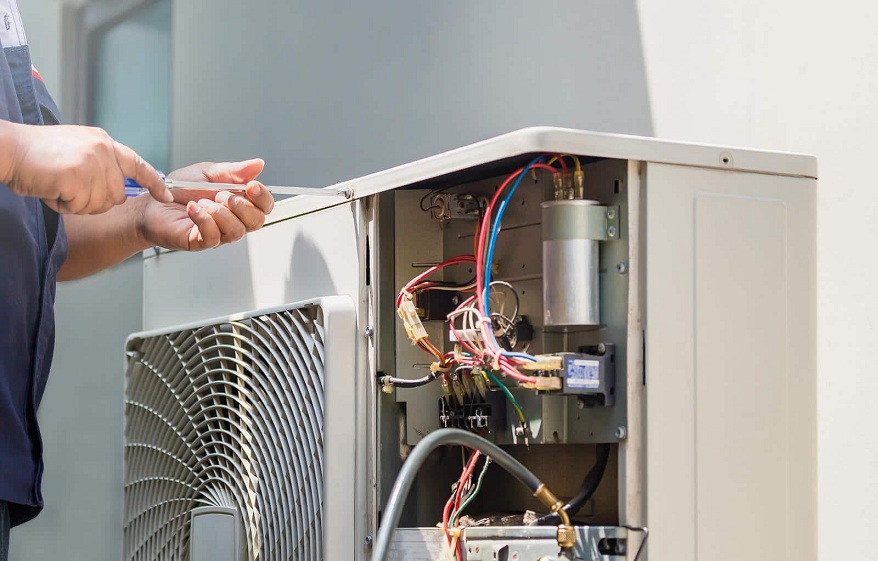
Undertaking DIY furnace repair requires you to prioritize safety above all. Begin by donning the appropriate protective gear, which may include safety goggles, gloves, and a mask to shield against dust and debris. Working on a furnace can involve exposure to hazardous materials like carbon monoxide, so ensuring your workspace is well-ventilated is paramount. When accessing internal components, utilize insulated tools to mitigate the risk of electrical shock. Moreover, always ensure that the power supply is off and, if applicable, that the gas line is shut off before commencing any repairs. Familiarizing yourself with the specific safety requirements of your furnace model is also a wise precaution. By treating safety as a cornerstone of your repair strategy, you mitigate risks and create a secure environment for yourself throughout the repair process.
Navigating Gas and Electrical Safety: What You Must Know
Gas and electrical safety is critical when performing furnace repairs, as improper handling can lead to catastrophic outcomes. For gas furnaces, familiarize yourself with the following: check for gas leaks, which can be detected by using soap and water on the gas lines. Bubbles indicate a leak. If you suspect a significant leak, evacuate the area immediately and call a professional. Additionally, be cautious when lighting gas burners; ensure the area is not filled with gas before igniting the pilot light. On the electrical side, knowing how to properly shut off the power to avoid shock is vital. Test with a voltage meter to confirm that circuits are dead. When working with electrical components, always be wary of capacitors, which can retain a charge even when the power is off, posing a shock hazard. Adopting a thorough understanding of these safety protocols not only protects you but also reinforces best practices when working with complex heating systems.
When to Call the Experts: Knowing Your Limits
Read More:Joe Cianciotto Provides an Introduction to Mixed-Use Developments
Signs That Indicate Professional Help is Needed
Despite our best efforts and DIY triumphs, there are times when the expertise of a professional is not just beneficial, but necessary. Indications that you may need to contact an HVAC technician include persistent issues such as irregular cycling, pilot light difficulties, or even unusual odors emanating from the furnace. For instance, a pilot light that frequently goes out might suggest an issue with the thermocouple, best handled by a professional. Similarly, if your furnace is exhibiting a rancid or burning smell, this could indicate a dangerous electric issue or debris that has caught fire, warranting immediate professional intervention. Additionally, if you’ve performed multiple DIY fixes without success, it’s time to seek professional assistance to avoid creating further complications or safety risks. A qualified technician not only possesses the experience to diagnose problems effectively but also has the tools and resources to fix issues before they escalate, ultimately saving you time and preventing more significant damages.
Choosing the Right HVAC Technician: Tips for Finding the Best
Finding the right HVAC technician can be pivotal for ensuring that your furnace receives the attention it needs. Start by seeking recommendations from friends, family, or online community forums, focusing on technicians with positive reviews and word-of-mouth referrals. Next, verify their credentials; check for licensing, insurance, and any relevant certifications that confirm their qualifications and expertise in the field. Taking time to research their experience and specialization can further guide your choice, particularly if your furnace is of a specific model or manufacturer. Schedule a consultation to discuss your issues, gauge their understanding of your concerns, and assess their communication skills; effective communication can alleviate anxiety throughout the repair process. Finally, inquire about warranties on both parts and labor HVAC technician dedicated to their craft will likely stand behind their work, ensuring that you feel confident about the services rendered.critical home appliance.