Blog

  • 2 Views

    A move can be quite an adventure; however, the costs involved may soon start adding up. There are many minor expenses such as packaging, transportation, labor, and even storage fees that may all add up to one big moving bill.

    However, the great thing about a move is that you don’t always have to spend more money to make the whole process more convenient for yourself.

    No matter if you are moving within the city limits or to a completely different suburb, the following advice may come in handy.

    1. Declutter Before Packing Your Belongings

    One of the easiest things to do to cut down your costs is to move less stuff.

    Before packing your belongings, start by going through all the rooms and separating your belongings into the following four groups:

    • Keep
    • Sell
    • Donate
    • Toss

    Usually, movers charge for their services based on the amount of stuff you need to move, among other things. Moving less stuff will mean that you will spend less time, space, and effort when relocating.

    Your old unused table or the box of clothes in your closet that have not been used in years might not be worth hauling to your new place.

    Furthermore, you could make money from selling your stuff online and use it towards paying for your moving costs.

    2. Analyze Movers Quotes Thoroughly

    Taking the first mover quote may be very tempting, but it will likely cause you to miss out on some more advantageous opportunities.

    If you are investigating removalist Brisbane companies to hire, try comparing quotes from several companies before making your choice. Do not solely focus on the cost of service.

    See what is included in each quote.

    Such things include:

    • Number of movers
    • Moving time estimate
    • Size of truck
    • Packing services
    • Disassembly and reassembly
    • Insurance or coverage
    • Travel fees
    • Extra charges

    The lower cost may be not the most cost-effective option due to additional hidden costs.

    Get detailed information about the cost of service of different companies.

    3. Select a Suitable Moving Day

    The day on which you move can affect the total cost as well.

    Weekdays, public holidays, and busier times can prove more popular as more people have the freedom to move around during such days. However, if your schedule allows you some room, try moving at other times.

    While shopping for movers Brisbane offers, enquire if they charge different prices based on the day/time.

    A difference of even one/two days can prove beneficial for you in terms of better prices and availability.

    4. Pack Smartly

    Packing is a small task among the many when it comes to moving, yet disorganised packing can waste time on moving day.

    Do not wait until the last minute to start packing your items but rather do that well in advance.

    A good method is to:

    • Pack each room separately.
    • Label all boxes.
    • Put similar items together.
    • Identify fragile boxes.
    • Make a first-night box with essential things.

    Good organization makes the moving process easier for movers since they spend less time determining where to place all items.

    In addition to this, you may use suitcases, storage units, and boxes already available in your house.

    5. Do Not Pack Too Much in the Boxes

    You might be tempted to pack every box to the brim in order to cut back on the number of boxes required. Yet overly packed boxes are usually very hard to lift because they become too heavy.

    Heavy boxes can also slow you down in the process of moving and might cause damage.

    You should place the heavier stuff in several boxes and use lighter things to fill up other boxes.

    For instance, you can place your books in small boxes and your clothes and cushions in big boxes.

    6. Do Small Jobs Yourself

    Professional movers may be helpful for the heavy jobs of packing and transporting your things, but there are some things that you can do yourself to save time.

    Based on the situation you are in, you can do any of these things yourself:

    • Packing of your personal possessions
    • Removing small appliances from power outlets
    • Emptying your drawers and cupboards
    • Uninstalling wall decorations
    • Disassembling simple furniture
    • Cleaning of the premises before moving out

    But make sure not to try doing something that is outside of your expertise and requires special tools.

    Things like electricity work, gas, and plumbing should only be done by the relevant professionals.

    7. Get Ready for Your Move Ahead of Time

    Some preparation will help the moving process run more smoothly.

    Create clear paths for the moving company to navigate when moving your furniture. Keep children and pets out of the way. Ensure that all boxes are securely packed and labeled.

    This will save you from encountering some problems that could be avoided.

    If you’re looking into removalists Brisbane homeowners trust, you should also find out if they have any special needs when moving apartments, access to parking, or hard-to-navigate stairwells.

    8. Look for Options Other Than the Least Expensive Quote

    Going cheap does not always translate to saving money.

    In assessing movers that Brisbane locals recommend, think about their experience, customer satisfaction ratings, service offerings, communication skills, and pricing transparency.

    Sometimes, paying a bit extra upfront can save you a lot more in the long run.

    Conclusion

    Moving wisely begins way before moving day.

    These include decluttering, getting quotes, setting a good date, efficient packing, and preparing your home. But more importantly, these will help you minimize expenses and maximize efficiency in the moving process.

    If you are planning a relocation in Brisbane, XMovers can be one option to consider when comparing professional moving services. Take the time to understand what you need, compare your options, and choose a service that offers a good balance between price, reliability, and convenience.

    For more practical relocation advice, you can also explore this guide to moving house before creating your moving checklist.

  • Smart Ways to Lower Your Moving Costs

    Smart Ways to Lower Your Moving Costs

    2 Views

    A move can be quite an adventure; however, the costs involved may soon start adding up. There are many minor expenses such as packaging, transportation, labor, and even storage fees that may all add up to one big moving bill.

    However, the great thing about a move is that you don’t always have to spend more money to make the whole process more convenient for yourself.

    No matter if you are moving within the city limits or to a completely different suburb, the following advice may come in handy.

    1. Declutter Before Packing Your Belongings

    One of the easiest things to do to cut down your costs is to move less stuff.

    Before packing your belongings, start by going through all the rooms and separating your belongings into the following four groups:

    • Keep
    • Sell
    • Donate
    • Toss

    Usually, movers charge for their services based on the amount of stuff you need to move, among other things. Moving less stuff will mean that you will spend less time, space, and effort when relocating.

    Your old unused table or the box of clothes in your closet that have not been used in years might not be worth hauling to your new place.

    Furthermore, you could make money from selling your stuff online and use it towards paying for your moving costs.

    2. Analyze Movers Quotes Thoroughly

    Taking the first mover quote may be very tempting, but it will likely cause you to miss out on some more advantageous opportunities.

    If you are investigating removalist Brisbane companies to hire, try comparing quotes from several companies before making your choice. Do not solely focus on the cost of service.

    See what is included in each quote.

    Such things include:

    • Number of movers
    • Moving time estimate
    • Size of truck
    • Packing services
    • Disassembly and reassembly
    • Insurance or coverage
    • Travel fees
    • Extra charges

    The lower cost may be not the most cost-effective option due to additional hidden costs.

    Get detailed information about the cost of service of different companies.

    3. Select a Suitable Moving Day

    The day on which you move can affect the total cost as well.

    Weekdays, public holidays, and busier times can prove more popular as more people have the freedom to move around during such days. However, if your schedule allows you some room, try moving at other times.

    While shopping for movers Brisbane offers, enquire if they charge different prices based on the day/time.

    A difference of even one/two days can prove beneficial for you in terms of better prices and availability.

    4. Pack Smartly

    Packing is a small task among the many when it comes to moving, yet disorganised packing can waste time on moving day.

    Do not wait until the last minute to start packing your items but rather do that well in advance.

    A good method is to:

    • Pack each room separately.
    • Label all boxes.
    • Put similar items together.
    • Identify fragile boxes.
    • Make a first-night box with essential things.

    Good organization makes the moving process easier for movers since they spend less time determining where to place all items.

    In addition to this, you may use suitcases, storage units, and boxes already available in your house.

    5. Do Not Pack Too Much in the Boxes

    You might be tempted to pack every box to the brim in order to cut back on the number of boxes required. Yet overly packed boxes are usually very hard to lift because they become too heavy.

    Heavy boxes can also slow you down in the process of moving and might cause damage.

    You should place the heavier stuff in several boxes and use lighter things to fill up other boxes.

    For instance, you can place your books in small boxes and your clothes and cushions in big boxes.

    6. Do Small Jobs Yourself

    Professional movers may be helpful for the heavy jobs of packing and transporting your things, but there are some things that you can do yourself to save time.

    Based on the situation you are in, you can do any of these things yourself:

    • Packing of your personal possessions
    • Removing small appliances from power outlets
    • Emptying your drawers and cupboards
    • Uninstalling wall decorations
    • Disassembling simple furniture
    • Cleaning of the premises before moving out

    But make sure not to try doing something that is outside of your expertise and requires special tools.

    Things like electricity work, gas, and plumbing should only be done by the relevant professionals.

    7. Get Ready for Your Move Ahead of Time

    Some preparation will help the moving process run more smoothly.

    Create clear paths for the moving company to navigate when moving your furniture. Keep children and pets out of the way. Ensure that all boxes are securely packed and labeled.

    This will save you from encountering some problems that could be avoided.

    If you’re looking into removalists Brisbane homeowners trust, you should also find out if they have any special needs when moving apartments, access to parking, or hard-to-navigate stairwells.

    8. Look for Options Other Than the Least Expensive Quote

    Going cheap does not always translate to saving money.

    In assessing movers that Brisbane locals recommend, think about their experience, customer satisfaction ratings, service offerings, communication skills, and pricing transparency.

    Sometimes, paying a bit extra upfront can save you a lot more in the long run.

    Conclusion

    Moving wisely begins way before moving day.

    These include decluttering, getting quotes, setting a good date, efficient packing, and preparing your home. But more importantly, these will help you minimize expenses and maximize efficiency in the moving process.

    If you are planning a relocation in Brisbane, XMovers can be one option to consider when comparing professional moving services. Take the time to understand what you need, compare your options, and choose a service that offers a good balance between price, reliability, and convenience.

    For more practical relocation advice, you can also explore this guide to moving house before creating your moving checklist.

  • 5 WAYS TO MAKE A NOTABLE FIRST IMPRESSION IN ENTRYWAYS WITH CEILING TILES
    5 WAYS TO MAKE A NOTABLE FIRST IMPRESSION IN ENTRYWAYS WITH CEILING TILES

    21 Views

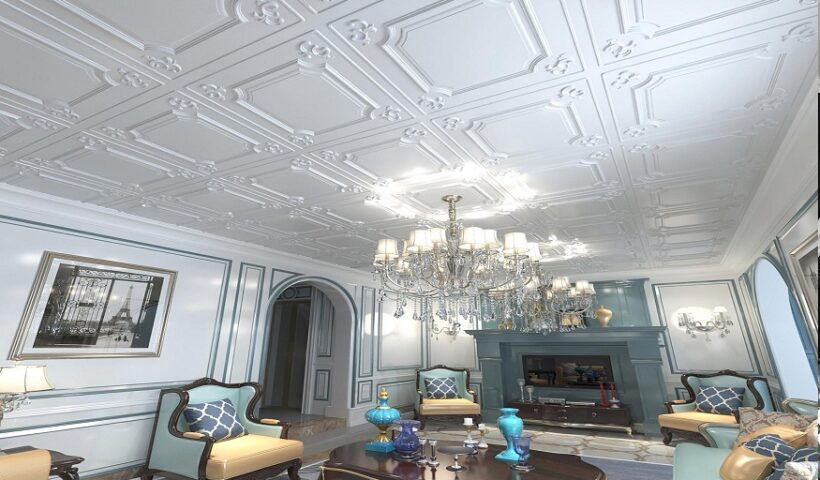
    The entryway is the first interior space anyone sees upon entering a home or commercial building. It sets the mood. Most entryways receive careful attention at eye level: the console table, the artwork, the flooring material, etc. But the ceiling gets the same white paint applied everywhere else.

    Ceiling treatment in an entryway is one of the most effective and underutilized design elements. Precisely because visitors aren’t expecting it.

    Here are some ways to achieve that:

    Select a pattern that frames the space, but not overwhelms it

    Entryways are generally small. The ceiling height in a small room appears close. This proximity makes it possible to see and enjoy fine detail in a tile pattern, which normally would be lost at distance.

    Entryways are an ideal place for ceiling tile panels featuring:

    • Geometric relief patterns
    • Subtle floral motifs
    • Clean linear detailing

    These elements add visual interest.

    However, select a pattern that’s appropriate to the room’s size. A large repeat pattern in a small entryway will feel cluttered. But a smaller pattern will look refined and intentional.

    Use paint to unify the ceiling with the wall color

    You want the ceiling tile installation to appear deliberate, rather than a decorative add-on. So, paint it a similar color to the walls or cornice. This treatment allows the ceiling to feel like an extension of the room’s envelope.

    Layer the ceiling treatment with a statement light fixture

    There are two things that always complement each other in an entryway:

    Read More: Designing Home Finishes With Tiling Solutions That Actually Respect Your Life

    • A ceiling tile installation
    • A well-chosen light fixture.

    A pendant or chandelier creates a relief pattern of the tiles. It makes it more visible. The fixture itself provides an architectural background that lends a sense of purpose to the ceiling compared to a flat ceiling.

    Install tiles in a defined zone, not edge-to-edge!

    Maybe the entry is directly connected to a larger adjoining room. It makes sense to install ceiling tiles in the entryway within a defined area. It could be framed off by cornice or a subtle reveal. This provides a point of entry that implies it is a specific area.

    This type of zoning is well suited for situations where:

    • The ceiling height of the entryway room is different from the ceiling height of the adjacent room
    • A soffit or architectural feature is already present as a natural barrier

    Consider metallic or lacquered finishes for maximum impact

    These finishes reflect both natural and artificial light around a space. They create a sense of luminosity that makes a small entryway feel much larger than its actual dimensions suggest.

    Consider pressed metal tiles with:

    • Brushed brass
    • Aged copper
    • Polished nickel finishes

    They capture light from various angles throughout the day and provide a dynamic visual character.

    Read More: Earth-Born Tile Systems for Rustic and Classic Interior Design

    The last word

    A ceiling tile treatment in an entryway can offer your space the much-needed character. The surprise of looking up at something genuinely considered creates an impression that lingers well beyond the first visit.Treat it as a true design element, and the doorway becomes the kind of area that leaves a lasting impact.

  • Designing Home Finishes With Tiling Solutions That Actually Respect Your Life

    Designing Home Finishes With Tiling Solutions That Actually Respect Your Life

    116 Views

    A finished room is a performance; living in it is the truth.Most design advice treats your home like a static display case. It obsesses over the “reveal” and the perfect wide-angle shot for social media. But here is the radical reality: A home that only looks good on day one is a design failure.

    The real test of your space doesn’t happen when the contractors leave. It happens on a Tuesday morning when the coffee spills, the dog tracks mud across the floor, or you’re rushing to get out the door. If your home isn’t built to absorb the mess and chaos of a real human life, it isn’t a home—it’s a museum exhibit.

    It’s time to stop designing for the showroom and start designing for the living room.

    1. Go for Tiling Materials That Respect Your Home’s DNA

    Tiling solutions are a critical part of your home’s intersection of architecture, aesthetics, daily rituals, and the rhythm of the people who live inside. To avoid this disconnect, the selection process must be treated as an act of translation. You are translating the physical bones of your home into a language that supports your daily rituals.

    Read More: Earth-Born Tile Systems for Rustic and Classic Interior Design

    For example, a home’s era and scale provide the baseline for your tile choices. If you install hyper-modern, sterile tiles in a historic, artisanal home, you create dissonance. Instead, look for materials that echo the building’s original logic—whether that is the structural geometry of the era or the tactile nature of its original materials.

    A quality ceramic shower tile, for example, helps execute successful projects that bridge the gap between architectural respect and honoring the daily rhythm of your home. The tiling solution helps achieve moisture-sealed integrity required for a wet environment while mimicking the texture of natural stone or the sleek, clean lines of modern design.

    2. Your Home Is More Than a Pretty Space, It’s a Life-Supporting Asset

    The most radical thing you can do for your home is to prioritize your habits over “the look.”Every time you fall in love with a Pinterest photo, ask yourself: Does the person in this photo have a toddler? A high-shedding dog? Do they actually cook, or is that kitchen just for show?

    Instead of blindly following a tile showroom display, lean into showroom expertise. This is because perfect displays showcase trends; but experts take it further to showcase performance.

    If you live hard, build hard. Don’t apologize for choosing durability over a delicate finish. For example, high-traffic porcelain isn’t “boring,” it’s freedom from worrying about every scratch.Also, if you want an effective space that functions as a “sensory buffer” against the outside world, grounded and tactile solutions like matte surfaces and muted, earthy tones become foundational. They absorb light and quiet the visual clutter that keeps your nervous system on edge.

    3. Design Flooring as the Invisible Architecture

    Most homeowners have been sold the idea that open-plan living means everything must be the same. That is a myth that leads to chaotic, ungrounded spaces.You don’t need a wall to create boundaries. In fact, real design happens when you use the floor to choreograph how people move through a house.

    Read More: Exploring Artistic Expression Through Pool Tile Designs

    A subtle shift in tile texture or a deliberate transition in pattern creates “zones” that our brains naturally recognize. It gives you the openness of a modern home with the organized, calm flow of a traditional one.

    It’s about making your home “legible.” When you walk through your front door, the floor should intuitively tell you where to drop your bags, where to cook, and where to rest.

    4. Beautiful Choices Are in the Resilient Quiet Details

    Choosing tiles is often an emotional decision. Keeping them beautiful is an engineering decision. The greatest compliment a tiled space can receive isn’t, the amazing immediately after installation.” It’s, “We’ve never had a problem.”

    There is something deeply satisfying about a room that simply works. No loose tiles, no mysterious cracks, no leaks hidden behind the walls. Just quiet, steady confidence, year after year. That is what craftsmanship looks like. It isn’t about demanding attention—it is about providing dependability.

    They’re remembered because they continue to perform quietly, year after year, with very little asking in return. The real quality isn’t in the part of tile that is easy to see—the pattern, the color, and the finish of the tile; it’s in the grout, the texture, and the transition.

    For example:

    • Matching grout is a declaration of seamlessness. It says you value flow over fragmentation.
    • Contrasting grout is a declaration of structure. It says you respect the architecture and aren’t afraid of geometry.

    These aren’t technical afterthoughts. They are the final brushstrokes that separate a space that “looks finished” from a space that “feels resolved.”

    5.   Build for the Long Game

    Plain trends without a backup of technical performance are a trap. They are designed to make you feel dissatisfied the moment something new hits the market.However, radical design is about permanence. When you stop chasing the “next big thing” and start ensuring your tile isn’t just pretty, but actually fits the moisture, traffic, and structural requirements of the room, you create something that doesn’t age.

    That means you build a space that doesn’t just hold your furniture, but holds your life.That is how you turn a structure into a home.

    In essence, one of the inherent measure of a successful tiling solution is how seamlessly it integrates into your daily life and remains unnoticeable, while rarely having to think about it. When you rely on a reliable tile store, you seamlessly achieve the ultimate goal of “invisible” design: the tiles perform their job by repelling water, anchoring the room, and providing comfort, so perfectly that they become a background element you no longer have to manage or worry about.

  • How Estate Agents in Dorset Help Buyers Identify Long-Term Value
    How Estate Agents in Dorset Help Buyers Identify Long-Term Value

    120 Views

    Most people who buy in Dorset have been here before. A holiday, a weekend, a visit to someone they know. They’ve walked a stretch of coast or eaten lunch in a market town and quietly filed it away. That initial pull is real, but buying on the back of it without proper local knowledge is where things can go wrong. It’s worth taking the time to find long-term value with estate agents in Dorset rather than relying on a memory formed during a dry week in late summer.

    The county looks deceptively consistent from the outside. It doesn’t take long, though, to realise that a cottage in Swanage and one in Bridport serve entirely different lives, even if both sit under the same county boundary.

    Geography Is More Complicated Than the Map Suggests

    Dorset stretches further than first-time buyers often expect. The Jurassic Coast gets most of the attention, but the county runs well north into chalk downland, past Blandford Forum and up towards Shaftesbury, which sits closer to Wiltshire than to the sea. Buyers who arrive with a fixed idea of where they want to be sometimes miss areas that would suit them far better, simply because they haven’t looked at the full picture.

    Commuting is one of those things that agents raise early, and buyers sometimes dismiss. The A35 between Dorchester and Bournemouth is slow on weekday mornings, full stop. Anyone planning to travel east regularly needs to sit in that traffic before they decide where to buy, not after. Rail is patchy depending on where you’re looking. Bournemouth and Poole connect reasonably well to London Waterloo via South Western Railway, but Sherborne or Gillingham offer a very different service, and that matters if you’re relying on the train.

    What Agents Know That Portals Don’t Show

    A listing tells you the number of bedrooms, the rough location, and whether there’s off-road parking. What it doesn’t tell you is what it’s actually like to own that property over a number of years.

    Poole Harbour is a good example. It’s an extraordinary piece of water, and properties around it are genuinely varied, but exposure, ground conditions, and which side of the harbour you’re on all carry real implications for maintenance and long-term usability. An agent who has sold in that area repeatedly will bring this up without being asked. The Blackmore Vale is another case. It’s quiet, genuinely beautiful countryside, but flood plain land and the state of certain rural roads in winter are things that don’t make it into the sales brochure. Local agents have watched buyers learn these things the hard way. The good ones make sure you know them first.

    Schools, Work, and Getting Around

    School catchments trip people up more than almost anything else in Dorset. The boundaries in some parts of the county are drawn in ways that aren’t immediately logical, and a property that looks on the right side of the line can turn out not to be. This isn’t unique to Dorset, but it’s a genuine issue here, and a decent local agent will check the actual boundary rather than giving you a rough answer.

    Read More: 6 Guidelines for Dealing with Rodents in Manchester

    On employment, Bournemouth and Poole carry most of the weight, with a reasonable spread across healthcare, retail, finance, and a tech cluster that’s grown noticeably over the past decade or so. Dorchester is more public-sector-oriented. Out in the rural parts of the county, the picture changes significantly, and the local economy is more tied to farming, tourism, and the trades. That doesn’t make those areas worse for buyers, but it does mean you need a realistic sense of how you’ll earn a living and how far you’ll need to travel to do it.

    Property Types and What They Actually Involve

    Dorset has a lot of older housing stock, and that’s part of why people are drawn to it. Thatched longhouses, stone-built cottages, Victorian semis in the coastal towns, Arts and Crafts houses around Bournemouth’s leafier suburbs. Character comes with the territory. So does maintenance.

    Quite a large proportion of the county falls within designated Areas of Outstanding Natural Beauty, and the planning rules that come with that designation are noticeably stricter than in undesignated areas. Extensions that would sail through in many parts of England require more careful handling here. Permitted development rights are often curtailed, and conservation area restrictions add another layer on top. Buyers who have plans to alter a property significantly need to understand this before they get too attached to a particular house. An experienced local agent will flag it early rather than letting you find out at the planning stage.

    New builds do exist around Dorchester, Ferndown, and Verwood, and there are pockets of development on the outskirts of the Poole conurbation. But new-build supply is more limited here than in many comparable counties, and buyers who are set on a modern property may find the options thinner than expected.

    The Difference Between Visiting and Actually Living Here

    Dorset works differently in winter. That’s not a warning, just a fact. Villages that are busy with visitors from May to September become noticeably quieter once the season ends, and some of the amenities that feel dependable during the summer months turn out to be more seasonal than they first appear. The café on the village square, the farm shop and even some pubs may operate reduced hours or close for parts of the year.

    Read  More: Coastal Charm Meets Suburbia: Houses for Sale in Monterey, Westlake Village & Lemon Grove

    Plenty of people move here knowing this and find they prefer the quieter version of the county. But it’s worth being honest with yourself about whether that suits your life. Local agents have these conversations regularly and can point you towards communities that hold their activity through the winter and those that don’t. The village pub that’s genuinely central to local life is a different proposition from one that survives on tourist trade. Likewise, the village school that’s well-attended and stable is worth knowing about before you commit to the surrounding area.

    Final Thoughts

    Buyers in Dorset often have a stronger emotional connection to the county than buyers in more obviously practical locations. That’s understandable. It’s a genuinely appealing place. But emotional investment can narrow your thinking, and the buyers who end up happiest here tend to be those who tested their assumptions thoroughly before exchanging contracts. A good local agent helps with that, not by reducing your excitement, but by making sure the property suits the way you plan to live.

  • Earth-Born Tile Systems for Rustic and Classic Interior Design

    Earth-Born Tile Systems for Rustic and Classic Interior Design

    138 Views

    In modern homes, there’s a quiet backlash happening in interiors right now. Not loud, not trendy, but a retro-innovation that leverages basic materials that feel like they belong to the ground, not a factory line. People are getting tired of surfaces that look perfect on day one and emotionally flat on day two. Rustic and classic spaces are coming back for one simple reason: they don’t perform for attention, they age into it. They carry weight, texture, and memory in a way modern finishes often erase.

    1. Raw Terracotta and Fired Clay as Living Thermal Surfaces

    Terracotta is often misunderstood as “rustic styling,” when in reality it behaves more like a slow architectural organism.This is earth that has been heat-locked into structure, and it keeps reacting long after installation.

    • It stores daytime warmth and releases it back when the house cools down
    • It breathes instead of sealing, which helps interiors feel less chemically “closed”
    • Waxed or lightly oiled finishes don’t hide it, they simply guide how it ages

    Put it underfoot in an 8×8 or 4×8 layout, or run it vertically along a sun wall, and something subtle happens: the home stops feeling newly built. It starts feeling settled. That is the genius of a Terracotta Ceramic Tile; it locks in a timeless, historic look on day one without any of the high-maintenance upkeep, offering a timeless foundation that never degrades.

    Read More:  Exploring Artistic Expression Through Pool Tile Designs

    2. Vesicular Limestone and Travertine as Light That Doesn’t Shout

    Premium materials and designs help calm a room down beyond being décor elements. Limestone and travertine are exactly that. They are not “finished” in the modern sense; they are geological records that still carry breath in their pores.

    • Open-cell stone holds shadow inside its structure, not just on the surface
    • Filled variants behave more formal, more controlled, more architectural
    • Visible and colored records of geological history, expressed as sand, ash, and ivory leverage principles of optical physics and architectural lighting to dissolve harsh daylight instead of bouncing it back

    When used in entry halls, long corridors, or courtyard transitions, these stones do something most materials fail at: they remove visual noise. The space doesn’t become brighter, it becomes quieter, furniture sits better, architecture feels less forced, and everything stops competing. These stone tiling systems quiet the space, allowing architecture and furniture to feel more anchored and balanced.

    3. Pigmented Hydraulic Cement Tiles as Embedded Pattern Systems

    Unlike surface-printed finishes, pigmented hydraulic cement tiles are formed by compressing mineral pigments deep into the material body itself. This creates permanence in both color and geometry.

    Typical applications include:

    • Entry thresholds with geometric grounding patterns
    • Fireplace surrounds that require visual anchoring
    • Outdoor verandas exposed to weather cycles

    The design is embedded rather than applied. As such, the surface ages evenly without peeling or fading in layers; it matures as a single unified material.This makes it particularly suitable for classic interiors that rely on pattern continuity rather than temporary decorative expression.

    4. Masonry-Based Layout Logic Using Interlocking Tile Geometries

    In rustic and traditional design systems, layout is not just installation, it is structural storytelling. Tile geometry defines how a room behaves visually and physically.

    Common systems include:

    • Interlocking ashlar layouts: distribute visual weight across large open floors
    • Brick bond patterns (50% offset): reinforce directional flow in kitchens and hearth zones
    • Herringbone paths guide movement without signage, your body reads the floor instinctively

    Instead of uniform repetition, these layouts create rhythm and variation, echoing traditional masonry craftsmanship.

    Then comes the detail most people overlook: mortar joints. Wide joints (6–10mm), slightly imperfect edges, softer tonal fills, these are not flaws. They reintroduce human rhythm into machine precision. The floor stops feeling manufactured and starts feeling built.

    5. Earth Tile Systems That Don’t Fight Time, They Work With It

    The strongest rustic interiors aren’t frozen in time, they’re designed to survive time intelligently. That means surfaces that behaves in a manner that cooperate with heat, moisture, and use instead of resisting them blindly.

    Modern earth-tile systems integrate:

    • Hydronic heating compatibility for slow thermal radiation through stone mass
    • Vapor-permeable sealers that protect without blocking breathability
    • Oleophobic treatments (oil repelling coating) in functional zones like kitchens and dining areas

    In practice, this means the surface does not simply stand rigid against change and the elements; it manages them. Stored heat is gradually released while it self-regulates moisture without sealing away the natural structure of the material. The result is a floor or wall system that remains stable, predictable, and quietly resilient.

    Read More: Understanding Ballistic Panels: Essential Insights for Enhanced Safety and Security

    In essence, rustic and classic interiors are no longer about imitation or decorative referencing of the past. They are built through material systems that behave intelligently under real conditions; heat, moisture, pressure, and time. When tile systems are selected with this level of awareness, they stop acting as surface decisions and become part of the home’s long-term environmental logic. However, partnering with a reputable tile store is crucial for quality integrity and aligned insights.

  • How Much Does Professional Pest Control Cost in Missouri?

    How Much Does Professional Pest Control Cost in Missouri?

    198 Views

    Most families in Missouri Springs ask themselves how expensive it is to keep their houses bug and rodent-free. It is an ordinary question with one living anywhere close to the Garden of the Gods or out in Falcon.

    The truth is that the price can change based on what your house needs. To get an exact price for your property, you should talk to a local professional. You can talk to Pointe Pest Control to see their options.

    The majority of people want to know whether the price of pest control will be affordable to their monthly budget. A professional team would assist you in identifying a solution that would suit you.

    What You Pay for During a First Visit

    When a professional visits your home for the first time, it is more expensive. This is due to the fact that the initial visit is the most crucial visit. The specialist has to drill deep into your home to locate the hiding points of the pests. They inspect the attic, crawl space, and the space surrounding your foundation.

    Read More: Why Your Phoenix Fruit Trees Are a Rat Magnet

    This starting fee covers the work of finding every entry point. The professional will seal up small holes and put down a strong barrier. They spend a lot of time making sure the “scent trails” left by pests are gone. This first step is what stops the current problem and sets your home up for success. 

    Why the Size of Your Property Changes the Price

    The size of your house is a significant consideration in the final bill. The cost of treating a small home in Missouri City will be less than that of a large estate in Rockrimmon. The reason is that a bigger house will have more rooms, windows, and a longer foundation line to cover.

    The professional has to use more product to cover a bigger area. It also takes more time to walk the entire property and check every corner.

    The size of your yard is also important. With a large lot with many trees and bushes, the pests have more hiding places. It requires additional effort in treating a large backyard of ants or spiders. The Broadmoor area houses some houses that are multi-storey and have intricate roofing designs. Therefore, they demand special equipment to gain access.

    The Savings Found in Year-Round Protection Plans

    Many homeowners in the Springs have to choose between a one-time fix and a subscription plan. A one-time visit might seem cheaper at first, but it often ends up costing more in the long run. 

    Read More: Why Mulch Beds Attract Pests in Groveland Communities

    Pests in Missouri do not just go away forever after one spray. They try to come back every time the season changes. If you only call for help when you see a bug, you will be paying that high first-time fee over and over again.

    A year-round plan is usually the best value for local families. With this plan, you pay a smaller amount every month or every few months. The professional comes back regularly to keep the barrier strong. This prevents a new invasion from ever starting. 

    Get a Quality Defense for Your Missouri Springs Home

    You have worked hard to buy a home in our beautiful city, and you deserve to feel safe inside it. A clean and bug-free home is worth the investment because it gives you peace of mind. You should not have to worry about itchy bites or damaged property when you are trying to relax.

    It is important to work with someone who knows how to find the hidden paths that pests use in our local soil and climate. To ensure that you can protect your home and your future, schedule a consultation today.

  • Best Water Purifier: A Complete Guide to Choosing the Right One for Your Home

    Best Water Purifier: A Complete Guide to Choosing the Right One for Your Home

    228 Views

    Access to clean and safe drinking water is essential for a healthy life. With increasing pollution levels and contaminants in water sources, investing in the best water purifier has become more important than ever. Whether you rely on municipal supply, groundwater, or tanker water, having an efficient purification system ensures that you and your family consume water free from harmful impurities.

    In this comprehensive guide, we will explore everything you need to know about choosing the best water purifier, including types, technologies, features, and buying tips.

    Why You Need a Water Purifier

    Water may appear clean, but it can contain invisible contaminants such as bacteria, viruses, heavy metals, and chemicals. Drinking contaminated water can lead to various health issues, including gastrointestinal infections, kidney problems, and long-term diseases.

    A good water purifier helps:

    • Remove harmful microorganisms
    • Eliminate dissolved impurities like arsenic and lead
    • Improve taste and odor
    • Provide safe drinking water for daily consumption

    With increasing awareness, more households are prioritizing water purification systems to ensure better health and hygiene.

    Types of Water Purifiers

    When searching for the best water purifier, it’s important to understand the different types available in the market. Each type works best under specific water conditions.

    1. RO (Reverse Osmosis) Purifiers

    RO purifiers are widely used and highly effective in removing dissolved salts, heavy metals, and impurities. They are ideal for areas with hard water or high TDS (Total Dissolved Solids).

    Read More: Exploring Artistic Expression Through Pool Tile Designs

    Pros:

    • Removes heavy metals and chemicals
    • Improves taste significantly

    Cons:

    • Wastes some water during purification
    • Requires electricity
    1. UV (Ultraviolet) Purifiers

    UV purifiers use ultraviolet light to kill bacteria and viruses. They are suitable for water that has low TDS but may contain microorganisms.

    Pros:

    • No change in taste
    • No water wastage

    Cons:

    • Does not remove dissolved impurities
    • Requires electricity
    1. UF (Ultrafiltration) Purifiers

    UF purifiers use a membrane to remove bacteria and suspended particles. They do not require electricity and are ideal for areas with low contamination.

    Pros:

    • Works without electricity
    • Affordable

    Cons:

    • Cannot remove dissolved salts or chemicals
    1. Gravity-Based Purifiers

    These are simple purifiers that use activated carbon and sediment filters. They are suitable for areas with relatively clean water.

    Read More: Essential Tips for Effective Furnace Repair: The Ultimate Guide

    Pros:

    • No electricity required
    • Budget-friendly

    Cons:

    • Limited purification capability
    1. Multi-Stage Purifiers

    Modern purifiers combine RO, UV, and UF technologies to provide comprehensive purification. These are often considered the best water purifier options for homes with varying water quality.

    Key Features to Consider

    Before purchasing a water purifier, consider the following important features:

    Water Quality (TDS Level)

    Testing your water quality is the first step. If TDS is high (above 300 ppm), an RO purifier is recommended. For low TDS water, UV or UF systems may be sufficient.

    Storage Capacity

    Choose a purifier with adequate storage based on your household size. A family of 4–6 members typically requires a tank capacity of 6–10 liters.

    Purification Speed

    Check how quickly the purifier can produce clean water. Faster purification is important in large households.

    Maintenance Cost

    Regular maintenance, including filter replacement, is necessary. Opt for a purifier with easily available and affordable spare parts.

    Energy Consumption

    Energy-efficient models help reduce electricity bills while ensuring consistent performance.

    Benefits of Using the Best Water Purifier

    Investing in a high-quality water purifier offers several benefits beyond just clean water.

    Improved Health

    By removing bacteria, viruses, and harmful chemicals, water purifiers reduce the risk of waterborne diseases.

    Better Taste and Odor

    Purifiers eliminate unpleasant smells and tastes caused by chlorine and other contaminants.

    Cost Savings

    While bottled water may seem convenient, it is expensive in the long run. A water purifier is a one-time investment with long-term savings.

    Environmental Impact

    Using a purifier reduces plastic waste from bottled water, making it an eco-friendly choice.

    Common Mistakes to Avoid

    Many people make mistakes when selecting a water purifier. Avoid these pitfalls:

    • Buying without testing water quality
    • Choosing based only on price
    • Ignoring maintenance costs
    • Selecting oversized or undersized storage capacity

    Making an informed decision ensures that you get the best value for your money.

    Tips for Maintaining Your Water Purifier

    To ensure optimal performance, regular maintenance is crucial.

    • Replace filters on time
    • Clean the storage tank periodically
    • Schedule professional servicing annually
    • Avoid using the purifier for non-recommended water sources

    Proper maintenance not only extends the life of the purifier but also ensures consistent water quality.

    Choosing the Right Brand

    The market is filled with various brands offering water purifiers with different features and price ranges. Look for brands that provide:

    • Good customer support
    • Warranty and service options
    • Certified purification technologies

    While exploring modern kitchen appliances and smart home solutions, some innovative brands like Ciarra One are also gaining attention for combining functionality with sleek design, reflecting how technology is transforming everyday essentials.

    How to Decide the Best Water Purifier for Your Home

    Selecting the best water purifier depends on your specific needs. Here’s a quick guide:

    • For high TDS water: Choose RO or RO+UV systems
    • For low TDS but microbial contamination: UV or UF purifiers
    • For areas with frequent power cuts: Gravity-based or UF purifiers
    • For complete protection: Multi-stage purification systems

    Understanding your water source and requirements will help you make the right choice.

    Future of Water Purification

    With advancements in technology, water purifiers are becoming smarter and more efficient. Features like real-time water quality monitoring, IoT connectivity, and app-based controls are becoming increasingly common.

    In the future, we can expect:

    • Zero water wastage RO systems
    • AI-based purification adjustments
    • More eco-friendly filtration technologies

    These innovations will further enhance the convenience and effectiveness of water purification systems.

    Conclusion

    Choosing the best water purifier is not just about convenience—it’s about safeguarding your health and well-being. With various types of purifiers available, understanding your water quality and household needs is essential for making the right decision.

    From RO and UV systems to advanced multi-stage purifiers, each option has its own advantages. By considering factors such as TDS level, storage capacity, maintenance, and budget, you can find a purifier that perfectly suits your home.

    Clean drinking water is a necessity, not a luxury. Investing in a reliable water purifier today ensures a healthier and safer tomorrow for you and your family.

  • Modular Kitchen Cost Explained: How Modular Kitchen Design Impacts Sleek Kitchen Price

    Modular Kitchen Cost Explained: How Modular Kitchen Design Impacts Sleek Kitchen Price

    219 Views

    Are you tired of staring at outdated cabinets and a cluttered countertop? Upgrading your cooking space is one of the most exciting home improvement projects you can take on. A beautiful, highly functional cooking area completely changes how you interact with your home. You gain more storage, better organization, and a gorgeous backdrop for entertaining friends and family.

    However, before you start tearing down cabinets, you need a solid understanding of the financial side of the project. The choices you make early on will dictate exactly how much you end up spending. This guide breaks down exactly how different elements influence your total bill. You will walk away knowing how to balance your budget while still getting the gorgeous, modern aesthetic you really want.

    Breaking Down the Elements of Your Kitchen Budget

    When you buy a traditional kitchen, you often pay for standard cabinetry and hope it fits your space. A modular setup works entirely differently. You purchase individual units, or “modules,” that fit together perfectly to match your specific room dimensions. Because you build the room piece by piece, the final price tag depends on exactly what pieces you choose to include.

    Your total bill consists of several different moving parts working together. You have to account for the internal cabinet boxes, the exterior doors, the hardware that makes everything move, and the countertops. Every single one of these categories offers budget-friendly baseline options and premium luxury upgrades. Understanding these categories is the first step in controlling your overall budget and getting the best value for your hard-earned money.

    Read More: Exploring Artistic Expression Through Pool Tile Designs

    How Layouts Dictate Your Modular Kitchen Design

    The shape of your room plays a massive role in your final budget. A thoughtful modular kitchen design maximizes your workflow, but larger layouts naturally require more materials. If you have a simple, straight-line kitchen along a single wall, you only need a handful of cabinets. This keeps your expenses relatively low and makes the installation process incredibly fast.

    On the other hand, a sprawling U-shaped layout requires significantly more units. You will need corner modules, expansive countertops, and extra wall cabinets to fill the space. If you want to add a massive central island for seating and prep work, you will need to increase your budget even further. Always map out your daily routine and workflow before committing to a massive footprint that you might not actually need.

    Choosing Core Materials for Cabinets and Counters

    The materials hidden behind your cabinet doors affect both the lifespan of your kitchen and your wallet. If you want to keep your modular kitchen cost down, you might lean toward engineered woods like particleboard or medium-density fiberboard (MDF). These materials work great in dry areas and offer a very budget-friendly starting point.

    However, kitchens deal with a lot of moisture and heat. Upgrading to boiling waterproof (BWP) plywood for your core cabinets adds to the initial price but prevents costly water damage over time. When it comes to countertops, standard granite offers incredible durability at a reasonable price point. If you prefer the pristine, uniform look of quartz, expect a noticeable bump in your overall material expenses.

    Read More: Coastal Charm Meets Suburbia: Houses for Sale in Monterey, Westlake Village & Lemon Grove

    Stunning Surface Finishes and Aesthetics

    The exterior finish you select determines exactly how your kitchen looks to guests. Laminate is the most popular and cost-effective finish available today. It comes in hundreds of colors and wood grain patterns, allowing you to achieve almost any aesthetic without spending a fortune. Laminate resists scratches well and cleans up easily with a damp cloth.

    If you dream of ultra-glossy, mirror-like cabinets, you will likely look at acrylic finishes. Acrylic reflects light beautifully and makes small spaces feel much larger. However, this premium finish will noticeably increase your sleek kitchen price. Acrylic requires more maintenance to keep fingerprints at bay, but the luxurious visual impact is completely undeniable for modern homes.

    The Hidden Costs of Hardware and Accessories

    Never underestimate the power of good hardware. The hinges, drawer runners, and handles might seem like small details, but they drastically change how your kitchen feels. Standard hinges get the job done, but upgrading to soft-close mechanisms prevents doors from slamming and extends the life of your cabinets.

    Internal storage accessories also impact your modular kitchen cost. Basic shelves cost very little. Conversely, adding pull-out pantry tall units, magic corner carousels, and built-in spice racks drives the price up quickly. These clever accessories offer incredible convenience by bringing items out to you, meaning you never have to dig around in dark cabinet corners again.

    Smart Ways to Lower Your Expenses

    You do not have to empty your savings account to get a beautiful room. One of the best strategies is mixing and matching your finishes. You can use an expensive, high-gloss acrylic on your upper cabinets where they catch the eye, and use a durable, cost-effective laminate for the lower base units. This hybrid approach gives you a premium look for a fraction of the cost.

    Another great tip involves rethinking your upper wall storage. Instead of wrapping the entire room in heavy upper cabinets, install some open floating shelves. Floating shelves cost significantly less than closed cabinetry and provide a great place to display beautiful dishes or indoor plants. This keeps the room feeling airy and spacious while protecting your wallet.

    Maximizing Functionality with Smart Planning

    A successful modular kitchen design focuses heavily on the classic “work triangle.” This concept ensures your sink, stove, and refrigerator sit at optimal distances from one another. When you plan this triangle correctly, you minimize the number of steps you take while cooking a complex meal. Efficient planning saves you time and physical energy every single day.

    Proper lighting also elevates your design without requiring major structural changes. Adding inexpensive LED strip lights under your wall cabinets completely transforms the atmosphere of the room. This task lighting makes chopping vegetables much safer and highlights your beautiful countertops. Good lighting makes even budget-friendly materials look incredibly high-end and thoughtfully chosen.

    Manage Your Investment Wisely!

    Taking the time to research your options ensures you end up with a space you genuinely love. You have the power to control your final sleek kitchen price by prioritizing the features that matter most to your daily life. If you love to bake, spend your money on great countertops. If you hate clutter, invest your budget into clever internal storage accessories.

    Ultimately, a well-planned modular kitchen design adds tremendous value to your home. It makes daily chores feel less tedious and gives your family a beautiful central hub to gather in. Sit down, map out your must-have features, set a realistic budget, and start building the cooking space you have always wanted.

  • Exploring Artistic Expression Through Pool Tile Designs

    Exploring Artistic Expression Through Pool Tile Designs

    209 Views

    Pool design today is no longer limited to functionality or basic aesthetics. It has become an extension of architectural storytelling where every detail contributes to a larger visual narrative. One of the most impactful ways to achieve this is through creative tile applications. The use of Tile Art in pools introduces a fresh dimension of expression that blends design, innovation, and individuality in ways that traditional finishes simply cannot match.

    Storytelling Through Visual Themes

    Modern pool designs often reflect stories or emotions rather than just patterns. Tiles can be arranged to depict themes such as tropical escapes, celestial skies, or cultural heritage. These thematic designs create an immersive environment where the pool becomes more than a water feature.

    Read More : Understanding Ballistic Panels: Essential Insights for Enhanced Safety and Security

    For instance, a pool designed with wave-inspired tile layouts can evoke a coastal experience, while intricate symbolic patterns can reflect personal or cultural significance. Through thoughtful planning, Tile Art allows homeowners to turn their pools into storytelling canvases that resonate on a deeper level.

    Integration With Landscape Design

    A well-designed pool should complement its surroundings, and tile choices play a key role in achieving this harmony. Designers now focus on blending pool tiles with outdoor elements such as gardens, patios, and natural stone features.

    Earth-toned tiles can seamlessly connect a pool with greenery, while reflective surfaces can mirror the sky and surrounding architecture. This integration ensures that the pool does not feel like a separate element but rather a cohesive part of the entire outdoor space. The adaptability of Tile Art makes it easier to align pool aesthetics with broader landscape themes.

    Optical Illusions and Creative Patterns

    An emerging trend in pool design is the use of tiles to create optical illusions. Strategic placement of shapes, gradients, and colors can make pools appear larger, deeper, or more dynamic than they actually are.

    Using gradient fades, geometric patterns, and repeated motifs can help the viewer’s eye move and feel like it’s moving. These visual tricks are especially useful in smaller spaces where maximizing perceived size is important. With innovative approaches, Tile Art becomes a tool not just for decoration but also for enhancing spatial perception.

    Personal Branding and Signature Designs

    For luxury homeowners and commercial spaces, pools are increasingly being used as signature features. Custom tile designs can include logos, initials, or unique patterns that serve as a personal or brand identity.

    Hotels, resorts, and private villas often use distinctive tile work to create memorable visual impressions. Even residential properties are adopting this approach to stand out. The versatility of Tile Art makes it possible to create designs that are both recognizable and visually striking.

    Seasonal and Mood-Based Design Choices

    Another creative approach in pool tile design is selecting colors and patterns based on mood or seasonal preferences. Blues and greens, which are cool tones, make the room feel cool and refreshing, which is great for summer. Darker tones, on the other hand, can add depth and class.

    Some designs even incorporate contrasting tiles that appear differently under varying lighting conditions. This dynamic quality allows the pool to feel different throughout the day or across seasons. By using Tile Art, designers can craft spaces that adapt visually and emotionally over time.

    Enhancing Nighttime Appeal

    Pool design does not end when the sun sets. Tiles play a significant role in enhancing nighttime aesthetics when combined with lighting systems. Reflective and glass tiles can amplify the glow of underwater lights, creating a luminous effect.

    Certain tiles are specifically chosen for their ability to interact with artificial lighting, producing shimmering or glowing visuals. This adds a dramatic and luxurious feel to the pool during evening hours. The interplay between lighting and Tile Art ensures that the pool remains a focal point even at night.

    Functional Zoning With Tile Design

    Tiles are also being used to define different zones within a pool. Variations in color or pattern can indicate shallow areas, lounging sections, or swimming lanes without the need for physical barriers.

    Read MoreEssential Tips for Effective Furnace Repair: The Ultimate Guide

    This approach enhances both safety and usability while maintaining a clean and uninterrupted design. Subtle transitions between tile styles can guide users naturally through the space. With thoughtful planning, Tile Art becomes both a functional and aesthetic solution.

    Conclusion

    Exploring artistic expression through pool tile designs reveals a world of creativity that goes far beyond surface decoration. From storytelling themes and landscape integration to optical illusions and functional zoning, tiles offer countless ways to innovate.

    By using Tile Art, both designers and residents can make pools that are both beautiful to look at and uniquely their own. Every design is unique in terms of style, function, and creativity, and the pool becomes the centre of modern life.