
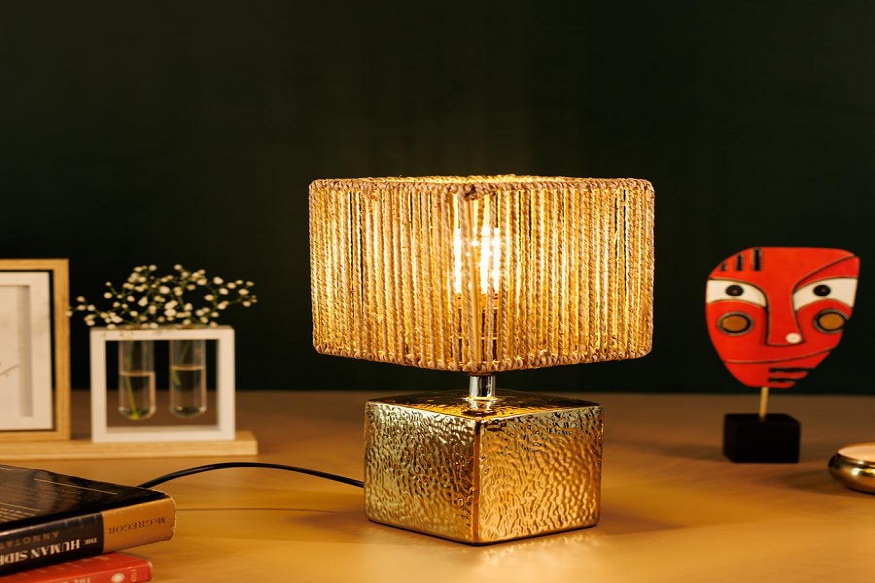
A desk rarely serves one activity for its entire life. The same surface may accommodate a laptop in the morning, paperwork after lunch and a craft project in the evening. A useful desk lamp has to adapt to those changes without occupying excessive space or producing glare in the user’s normal field of view. Selecting it involves more than brightness and decorative appearance. Base stability, adjustment range, cable placement and controls determine whether the light remains practical after other objects are added to the workspace. Start by documenting the work that actually takes place, then compare lamp designs against those requirements.
Choose a lamp that fits the entire desktop
Measure the working area remaining after the monitor, keyboard and storage accessories have been positioned. A broad lamp base can be awkward on a narrow desk, while a compact fixture may leave the far side of a drawing board dark. Consider how often the user moves a notebook or rotates an object. The effective reach of the light is more important than the shape of the lamp when it is folded into a product photograph.
A clamp-mounted model, where available, can free desk space but needs an appropriate and sufficiently strong edge. A freestanding lamp offers portability but must remain stable when its head is adjusted. Check the total height beneath overhead shelves and whether the arm can clear the monitor. Test the arrangement with the desk chair in its usual position, as the beam may otherwise fall behind the user’s shoulder.
The Desk Lamps range is a useful reference when comparing different work-light formats. Review product dimensions, power inputs, controls and the light distribution specified for each model. A lamp suited to occasional reading may not provide the coverage required by a broad art or assembly surface, even when both products look similar at first glance.
Make adjustments predictable rather than complicated
A movable head is valuable only if the chosen position remains stable. Consider whether the lamp needs to turn sideways, lower close to paper or reach across a keyboard. Frequent adjustments should be possible without pushing the entire base toward the edge of the desk. A stiff joint may make precise aiming frustrating, while an overly loose joint can cause the light to drift during detailed work.
Read More: Earth-Born Tile Systems for Rustic and Classic Interior Design
For shared desks, simple adjustments help users restore a comfortable setup quickly. Mark the usual monitor and lamp positions if different people occupy the same workstation. The lamp should not block a video camera or create a bright reflection in the screen. When the desk is used by a left-handed and a right-handed person, a movable source allows each to place light away from the writing hand.
Think about what happens after the desk is cleared. An adjustable lamp that folds into a compact shape can be useful in a guest bedroom or multipurpose living room. However, a folding mechanism is not a substitute for adequate light distribution.
Balance paper, screen and background light
Paper requires incident light, while a monitor already emits light. The desk lamp should brighten documents without appearing as a white streak in the display. Sit in the normal chair and examine the screen from the usual angle. If a reflection appears, change the lamp’s height or direction before reducing useful light on the desktop. Glossy work surfaces can create the same problem even when the monitor is matte.
A bright isolated lamp in an otherwise dark room can produce uncomfortable contrast. Add modest ambient illumination from a ceiling or wall source when the workstation is used late at night. This background light need not be intense; its purpose is to keep the surrounding surfaces visible. A desk lamp then becomes a targeted tool rather than the room’s only luminous object.
For drawing and color-sensitive tasks, review color-rendering characteristics and compare the lamp with the existing room lighting. A warm appearance may be pleasant for relaxed reading, but consistent neutral conditions can be preferable when evaluating printed samples. The right choice depends on the activity and the user’s surroundings rather than a universal color-temperature recommendation.
Check power, switching and cable management
A desk lamp’s input arrangement affects where it can be used. Some models connect directly to a mains outlet, while others depend on an external power supply or a specified low-voltage input. Check the supplied accessories and the exact connector requirements. A familiar-looking plug is not proof that an unrelated charger is compatible. Route any cable away from the chair wheels and the path of a movable monitor arm.
The switch should remain easy to reach when notebooks and accessories occupy the desk. A control hidden behind a screen can make everyday operation unnecessarily awkward. If brightness adjustment is provided, check whether the useful range suits both reading and lower-level evening use. Touch-operated controls can be convenient, but placement matters because accidental activation is irritating on a crowded worktop.
Read More: Exploring Artistic Expression Through Pool Tile Designs
Avoid building a workspace that requires unplugging the lamp whenever furniture is moved. Where extension equipment is necessary, use correctly rated products and protect cables from pinching. Keep power adapters ventilated in accordance with the manufacturer’s instructions.
Plan for a home office that is occasionally shared
Imagine a dining table used as a temporary workstation three days a week. A very tall adjustable lamp may be effective for paperwork but obstruct conversation during a family meal. A compact lamp with predictable positioning is more practical if it can be moved safely to storage. The user should be able to disconnect the supply without reaching beneath heavy furniture or pulling on the cable.
Two people may work on different materials and require different beam directions. Individual control reduces unnecessary glare and lets each user select a comfortable level without changing the other person’s setup. A central ceiling light can provide shared background illumination while the desk lamps address specific surfaces.
In small bedrooms, the desk may sit beside a bed or wardrobe. Check whether the lamp shines toward someone resting nearby and whether the light reaches the work surface without disturbing the whole room. A screen behind the desk can reflect the lamp toward the bed, so inspect the space from both positions. The best layout accommodates all users of the room.
Assess usability after several ordinary sessions
A lamp can look excellent on the first day and become inconvenient once the desk fills with real work. Review its reach, stability and switching after a week of use. Notice whether the user repeatedly moves the base or changes the arm position to avoid shadows. Those habits reveal a mismatch between the fitting and the work pattern more reliably than a short showroom test.
Inspect the cable, joints and accessible cleaning surfaces according to the manufacturer’s guidance. Keep the model information for replacement supplies or future relocation. If the lamp will be used in a studio or school, establish who is responsible for reporting damage and disconnecting unsafe equipment. A well-designed workstation includes safe routines as well as useful lighting.
Desk lighting performs best when it adapts quietly to changing work. The lamp should reach the right surface, remain stable, avoid screen reflections and operate without unnecessary effort. Evaluating those everyday interactions gives a more dependable result than selecting the most decorative or brightest fitting available.