Category: Kitchen

  • Modular Kitchen Cost Explained: How Modular Kitchen Design Impacts Sleek Kitchen Price
    Modular Kitchen Cost Explained: How Modular Kitchen Design Impacts Sleek Kitchen Price

    219 Views

    Are you tired of staring at outdated cabinets and a cluttered countertop? Upgrading your cooking space is one of the most exciting home improvement projects you can take on. A beautiful, highly functional cooking area completely changes how you interact with your home. You gain more storage, better organization, and a gorgeous backdrop for entertaining friends and family.

    However, before you start tearing down cabinets, you need a solid understanding of the financial side of the project. The choices you make early on will dictate exactly how much you end up spending. This guide breaks down exactly how different elements influence your total bill. You will walk away knowing how to balance your budget while still getting the gorgeous, modern aesthetic you really want.

    Breaking Down the Elements of Your Kitchen Budget

    When you buy a traditional kitchen, you often pay for standard cabinetry and hope it fits your space. A modular setup works entirely differently. You purchase individual units, or “modules,” that fit together perfectly to match your specific room dimensions. Because you build the room piece by piece, the final price tag depends on exactly what pieces you choose to include.

    Your total bill consists of several different moving parts working together. You have to account for the internal cabinet boxes, the exterior doors, the hardware that makes everything move, and the countertops. Every single one of these categories offers budget-friendly baseline options and premium luxury upgrades. Understanding these categories is the first step in controlling your overall budget and getting the best value for your hard-earned money.

    Read More: Exploring Artistic Expression Through Pool Tile Designs

    How Layouts Dictate Your Modular Kitchen Design

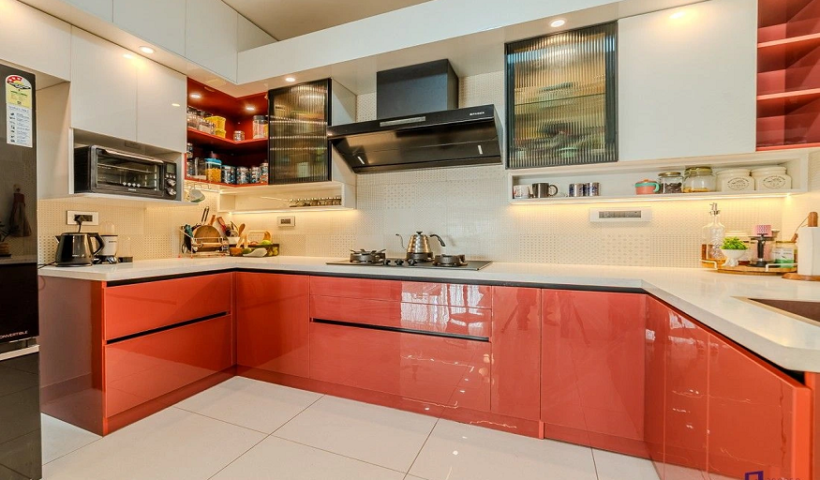
    The shape of your room plays a massive role in your final budget. A thoughtful modular kitchen design maximizes your workflow, but larger layouts naturally require more materials. If you have a simple, straight-line kitchen along a single wall, you only need a handful of cabinets. This keeps your expenses relatively low and makes the installation process incredibly fast.

    On the other hand, a sprawling U-shaped layout requires significantly more units. You will need corner modules, expansive countertops, and extra wall cabinets to fill the space. If you want to add a massive central island for seating and prep work, you will need to increase your budget even further. Always map out your daily routine and workflow before committing to a massive footprint that you might not actually need.

    Choosing Core Materials for Cabinets and Counters

    The materials hidden behind your cabinet doors affect both the lifespan of your kitchen and your wallet. If you want to keep your modular kitchen cost down, you might lean toward engineered woods like particleboard or medium-density fiberboard (MDF). These materials work great in dry areas and offer a very budget-friendly starting point.

    However, kitchens deal with a lot of moisture and heat. Upgrading to boiling waterproof (BWP) plywood for your core cabinets adds to the initial price but prevents costly water damage over time. When it comes to countertops, standard granite offers incredible durability at a reasonable price point. If you prefer the pristine, uniform look of quartz, expect a noticeable bump in your overall material expenses.

    Read More: Coastal Charm Meets Suburbia: Houses for Sale in Monterey, Westlake Village & Lemon Grove

    Stunning Surface Finishes and Aesthetics

    The exterior finish you select determines exactly how your kitchen looks to guests. Laminate is the most popular and cost-effective finish available today. It comes in hundreds of colors and wood grain patterns, allowing you to achieve almost any aesthetic without spending a fortune. Laminate resists scratches well and cleans up easily with a damp cloth.

    If you dream of ultra-glossy, mirror-like cabinets, you will likely look at acrylic finishes. Acrylic reflects light beautifully and makes small spaces feel much larger. However, this premium finish will noticeably increase your sleek kitchen price. Acrylic requires more maintenance to keep fingerprints at bay, but the luxurious visual impact is completely undeniable for modern homes.

    The Hidden Costs of Hardware and Accessories

    Never underestimate the power of good hardware. The hinges, drawer runners, and handles might seem like small details, but they drastically change how your kitchen feels. Standard hinges get the job done, but upgrading to soft-close mechanisms prevents doors from slamming and extends the life of your cabinets.

    Internal storage accessories also impact your modular kitchen cost. Basic shelves cost very little. Conversely, adding pull-out pantry tall units, magic corner carousels, and built-in spice racks drives the price up quickly. These clever accessories offer incredible convenience by bringing items out to you, meaning you never have to dig around in dark cabinet corners again.

    Smart Ways to Lower Your Expenses

    You do not have to empty your savings account to get a beautiful room. One of the best strategies is mixing and matching your finishes. You can use an expensive, high-gloss acrylic on your upper cabinets where they catch the eye, and use a durable, cost-effective laminate for the lower base units. This hybrid approach gives you a premium look for a fraction of the cost.

    Another great tip involves rethinking your upper wall storage. Instead of wrapping the entire room in heavy upper cabinets, install some open floating shelves. Floating shelves cost significantly less than closed cabinetry and provide a great place to display beautiful dishes or indoor plants. This keeps the room feeling airy and spacious while protecting your wallet.

    Maximizing Functionality with Smart Planning

    A successful modular kitchen design focuses heavily on the classic “work triangle.” This concept ensures your sink, stove, and refrigerator sit at optimal distances from one another. When you plan this triangle correctly, you minimize the number of steps you take while cooking a complex meal. Efficient planning saves you time and physical energy every single day.

    Proper lighting also elevates your design without requiring major structural changes. Adding inexpensive LED strip lights under your wall cabinets completely transforms the atmosphere of the room. This task lighting makes chopping vegetables much safer and highlights your beautiful countertops. Good lighting makes even budget-friendly materials look incredibly high-end and thoughtfully chosen.

    Manage Your Investment Wisely!

    Taking the time to research your options ensures you end up with a space you genuinely love. You have the power to control your final sleek kitchen price by prioritizing the features that matter most to your daily life. If you love to bake, spend your money on great countertops. If you hate clutter, invest your budget into clever internal storage accessories.

    Ultimately, a well-planned modular kitchen design adds tremendous value to your home. It makes daily chores feel less tedious and gives your family a beautiful central hub to gather in. Sit down, map out your must-have features, set a realistic budget, and start building the cooking space you have always wanted.

  • Range Hood: The Ultimate Guide to Cleaner Air and a Better Kitchen

    Range Hood: The Ultimate Guide to Cleaner Air and a Better Kitchen

    219 Views

    A modern kitchen is not just about stylish cabinets, smart appliances, or beautiful countertops. One essential appliance that often goes unnoticed—but plays a critical role in maintaining a clean and healthy cooking space—is the range hood. Whether you cook daily or only occasionally, a range hood helps remove smoke, grease, odors, and heat from your kitchen, making the environment more comfortable and hygienic.

    In this comprehensive guide, we will explore what a range hood is, how it works, its types, benefits, and tips for choosing the right one for your kitchen.

    What Is a Range Hood?

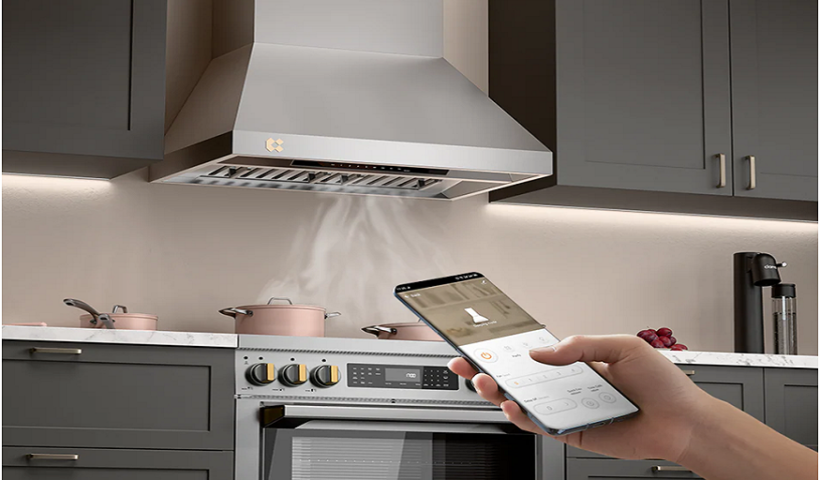
    A range hood is a ventilation appliance installed above a stove or cooktop. Its primary function is to capture airborne grease, combustion products, smoke, steam, and cooking odors. The device typically contains a fan or blower that draws in contaminated air and either filters and recirculates it back into the kitchen or vents it outside.

    Read More: The One Detail Designers Say Can Make or Break a Kitchen Refresh

    Range hoods are a crucial component in modern kitchens because they significantly improve air quality while cooking. Without proper ventilation, grease and smoke can accumulate on kitchen surfaces, leading to unpleasant smells and unhealthy indoor air.

    How a Range Hood Works

    The basic working principle of a range hood is simple but highly effective. When you cook, the hood’s fan pulls air upward through a filtration system. This process captures grease particles, smoke, and other airborne contaminants before they spread throughout the kitchen.

    Most range hoods use one of two ventilation methods:

    1. Ducted Ventilation
      In ducted systems, the hood channels air through ducts that lead outside the house. This method completely removes smoke, odors, and heat from the kitchen.
    2. Ductless Ventilation
      Ductless hoods use charcoal or carbon filters to clean the air before recirculating it back into the kitchen. These are easier to install but may require frequent filter replacement.

    Both systems have advantages depending on your kitchen layout and ventilation possibilities.

    Read More: Avoiding Common Mistakes in High-End Home Construction

    Benefits of Installing a Range Hood

    Many homeowners underestimate how valuable a range hood can be. Here are some of the most important benefits.

    Improved Air Quality

    Cooking releases particles such as grease, smoke, and chemicals into the air. A range hood removes these pollutants, keeping the air fresh and healthier for your family.

    Odor Removal

    Strong cooking smells—especially from frying, spices, or seafood—can linger in the kitchen for hours. A range hood quickly eliminates these odors, keeping your home smelling pleasant.

    Grease Control

    Grease particles can settle on cabinets, walls, and ceilings. Over time, this buildup becomes sticky and difficult to clean. A range hood captures grease before it spreads.

    Heat Reduction

    Cooking generates heat, which can make your kitchen uncomfortable. A range hood helps remove hot air and steam, keeping the cooking area cooler.

    Better Visibility

    Many range hoods come with built-in LED lights that illuminate the cooking surface, making it easier to monitor food while cooking.

    Types of Range Hoods

    Choosing the right range hood depends on your kitchen design and cooking habits. Below are the most common types available today.

    Wall-Mounted Range Hoods

    Wall-mounted hoods are installed directly against the wall above the stove. They are one of the most popular choices because they are powerful and stylish.

    Under-Cabinet Range Hoods

    These hoods are mounted underneath kitchen cabinets. They are ideal for smaller kitchens where space is limited.

    Island Range Hoods

    Island range hoods are designed for kitchens with cooktops placed on an island. They hang from the ceiling and often feature elegant designs that enhance the kitchen’s aesthetics.

    Downdraft Range Hoods

    Downdraft systems pull air downward through vents located behind or beside the cooktop. They are a good option when overhead installation is not possible.

    Key Features to Consider

    When purchasing a range hood, several factors should be considered to ensure you choose the best option.

    Ventilation Power (CFM)

    CFM stands for cubic feet per minute and measures how much air the hood can move. Higher CFM ratings mean stronger ventilation. For heavy cooking, a higher CFM range hood is recommended.

    Noise Level

    Some range hoods can be quite loud when operating at high speeds. Look for models designed with noise reduction technology if quiet operation is important to you.

    Filter Type

    Range hoods use different types of filters, including:

    • Mesh filters for capturing grease
    • Baffle filters are commonly used in professional-style kitchens
    • Charcoal filters for ductless systems

    Each type has its own maintenance requirements.

    Lighting

    Modern range hoods often include LED lighting to brighten the cooking area. Good lighting improves visibility and enhances the kitchen’s overall atmosphere.

    Maintenance and Cleaning Tips

    Regular maintenance ensures that your range hood operates efficiently and lasts longer.

    Clean the filters regularly. Grease filters should be washed every few weeks, depending on cooking frequency.

    Check the fan and motor. Make sure they are free from grease buildup to maintain strong airflow.

    Replace charcoal filters when needed. In ductless models, charcoal filters lose effectiveness over time and must be replaced periodically.

    Wipe the exterior surface. Stainless steel hoods should be cleaned with appropriate cleaners to maintain their shine.

    Proper maintenance not only improves performance but also extends the lifespan of the appliance.

    Integrating Modern Kitchen Appliances

    Today’s kitchens are evolving with smarter appliances designed to enhance convenience and efficiency. While ventilation systems like a range hood play a crucial role in maintaining air quality, combining them with innovative cooking devices can further improve the cooking experience. For instance, appliances such as the Ciarra Nosh Oven bring advanced cooking technology to modern homes, offering precision cooking and energy-efficient performance that complements a well-ventilated kitchen setup.

    Energy Efficiency and Smart Features

    Many modern range hoods now include energy-efficient technologies and smart features. Some models automatically adjust fan speed based on cooking intensity, while others connect to smart home systems for remote control.

    Energy-efficient motors and LED lighting help reduce electricity consumption while maintaining excellent performance. These features make modern range hoods both environmentally friendly and cost-effective.

    Choosing the Right Range Hood for Your Kitchen

    Selecting the perfect range hood involves balancing functionality, style, and installation requirements. Consider the following tips:

    • Match the hood width with your cooktop size.
    • Choose a design that complements your kitchen décor.
    • Ensure adequate ventilation power for your cooking style.
    • Decide between ducted and ductless systems based on your home layout.

    Taking time to evaluate these factors will help you invest in a range hood that delivers long-term satisfaction.

    Conclusion

    A range hood is more than just a kitchen accessory—it is an essential appliance that improves air quality, enhances comfort, and keeps your kitchen cleaner. Removing smoke, grease, and odors, it creates a healthier and more enjoyable cooking environment.

    With a wide variety of styles, features, and technologies available, homeowners can easily find a range hood that suits their kitchen design and cooking needs. Whether you prefer a sleek wall-mounted model or a compact under-cabinet option, investing in a high-quality range hood will significantly elevate your overall kitchen experience.

  • The One Detail Designers Say Can Make or Break a Kitchen Refresh

    The One Detail Designers Say Can Make or Break a Kitchen Refresh

    320 Views

    Go into any kitchen at night and turn on the light. That single moment speaks volumes. The room either bursts with energy, or it slowly fades into darkness. Designers are well aware that the key to a successful kitchen refresh is managing the lighting. Even if you spend a fortune on cabinets and tile, inadequate lighting will ruin everything.

    Why Lighting Rules Everything

    Light plays tricks on perception, making things seem different from what they are. That paint color you loved at the store? It looks like baby food when seen under the kitchen’s fluorescent lights. Those expensive cabinet doors? They could easily be mistaken for plastic under the wrong lighting.

    Most people screw this up royally. They spend months picking backsplash patterns, then grab whatever light fixture has free shipping. Big mistake. Huge. Smart designers do the opposite. They figure out lighting before touching anything else. Once you control the light, you control how every surface looks. Countertops from a supplier such as Bedrock Quartz suddenly reveal swirls and sparkles you never noticed before. Cheap laminate starts looking respectable. Even that ancient refrigerator seems less offensive.

    Here is what actually works: mixing different lights that do different jobs. Background brightness keeps you from stumbling around. Focused beams let you see what you’re chopping. Then some drama lighting makes the room feel special instead of just functional. Miss any piece and the whole thing feels wonky.

    Read More:The Unseen Troubles: Common Plumbing Problems Every Homeowner Faces

    The Overhead Trap

    Millions of kitchens suffer from the same stupid problem. One sad ceiling dome trying to light everything. It can’t. So people cook in shadows, squint at ingredients, and wonder why their kitchen feels so depressing after dark. The fix isn’t complicated. Stick some strips under cabinets; then you can actually see your cutting board. Hang pendants over the island and suddenly that dead space becomes the spot everyone wants to sit. Even a couple of desk lamps in the right corners can save a dark kitchen.

    Hanging heights matter more than people think. Pendants too high just float there doing nothing. Too short and tall people develop neck problems from dodging them. Most designers stick stuff 30 to 36 inches above counters, but sometimes you need to break rules. A big dramatic fixture might hang lower just to show off. Recessed lights need proper spacing or your ceiling looks like an airport runway.

    Color Temperature Makes the Difference

    White light isn’t just white. Some white light feels like a cozy fireplace. Other white light feels like a dentist’s office. Nobody explains this when you’re buying bulbs, which is criminal. Food looks disgusting under cool light. People look sick. Everything feels harsh and uncomfortable. But warm light? That makes a leftover pizza look gourmet. Skin looks healthy. The whole room feels like a hug. The problem is that warm light sucks for reading recipes or finding that bay leaf that fell behind the stove.

    Read More:Range Hood: The Ultimate Guide to Cleaner Air and a Better Kitchen

    LEDs changed everything, though. Old bulbs trapped you with one color forever. New ones shift from sunrise bright to candlelight soft with the push of a button. Morning prep work gets crisp, clear light. Evening dinner gets golden romantic vibes. Same fixtures, totally different kitchen.

    Conclusion

    Lighting beats every other kitchen detail because it changes everything else. Bad lighting turns granite into garbage. Good lighting makes builder-grade materials look custom. Designers obsess over this because they’ve watched too many gorgeous kitchens get destroyed by one awful boob light. Want a successful refresh? Stop shopping for drawer pulls and start thinking about light. Get that right, and even your mistakes will look intentional.