
Blog

  • Range Hood: The Ultimate Guide to Cleaner Air and a Better Kitchen

    Range Hood: The Ultimate Guide to Cleaner Air and a Better Kitchen

    226 Views

    A modern kitchen is not just about stylish cabinets, smart appliances, or beautiful countertops. One essential appliance that often goes unnoticed—but plays a critical role in maintaining a clean and healthy cooking space—is the range hood. Whether you cook daily or only occasionally, a range hood helps remove smoke, grease, odors, and heat from your kitchen, making the environment more comfortable and hygienic.

    In this comprehensive guide, we will explore what a range hood is, how it works, its types, benefits, and tips for choosing the right one for your kitchen.

    What Is a Range Hood?

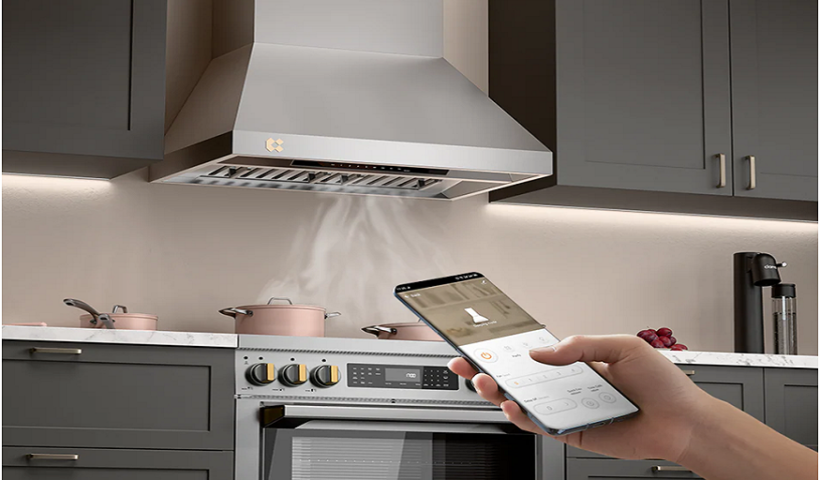
    A range hood is a ventilation appliance installed above a stove or cooktop. Its primary function is to capture airborne grease, combustion products, smoke, steam, and cooking odors. The device typically contains a fan or blower that draws in contaminated air and either filters and recirculates it back into the kitchen or vents it outside.

    Read More: The One Detail Designers Say Can Make or Break a Kitchen Refresh

    Range hoods are a crucial component in modern kitchens because they significantly improve air quality while cooking. Without proper ventilation, grease and smoke can accumulate on kitchen surfaces, leading to unpleasant smells and unhealthy indoor air.

    How a Range Hood Works

    The basic working principle of a range hood is simple but highly effective. When you cook, the hood’s fan pulls air upward through a filtration system. This process captures grease particles, smoke, and other airborne contaminants before they spread throughout the kitchen.

    Most range hoods use one of two ventilation methods:

    1. Ducted Ventilation
      In ducted systems, the hood channels air through ducts that lead outside the house. This method completely removes smoke, odors, and heat from the kitchen.
    2. Ductless Ventilation
      Ductless hoods use charcoal or carbon filters to clean the air before recirculating it back into the kitchen. These are easier to install but may require frequent filter replacement.

    Both systems have advantages depending on your kitchen layout and ventilation possibilities.

    Read More: Avoiding Common Mistakes in High-End Home Construction

    Benefits of Installing a Range Hood

    Many homeowners underestimate how valuable a range hood can be. Here are some of the most important benefits.

    Improved Air Quality

    Cooking releases particles such as grease, smoke, and chemicals into the air. A range hood removes these pollutants, keeping the air fresh and healthier for your family.

    Odor Removal

    Strong cooking smells—especially from frying, spices, or seafood—can linger in the kitchen for hours. A range hood quickly eliminates these odors, keeping your home smelling pleasant.

    Grease Control

    Grease particles can settle on cabinets, walls, and ceilings. Over time, this buildup becomes sticky and difficult to clean. A range hood captures grease before it spreads.

    Heat Reduction

    Cooking generates heat, which can make your kitchen uncomfortable. A range hood helps remove hot air and steam, keeping the cooking area cooler.

    Better Visibility

    Many range hoods come with built-in LED lights that illuminate the cooking surface, making it easier to monitor food while cooking.

    Types of Range Hoods

    Choosing the right range hood depends on your kitchen design and cooking habits. Below are the most common types available today.

    Wall-Mounted Range Hoods

    Wall-mounted hoods are installed directly against the wall above the stove. They are one of the most popular choices because they are powerful and stylish.

    Under-Cabinet Range Hoods

    These hoods are mounted underneath kitchen cabinets. They are ideal for smaller kitchens where space is limited.

    Island Range Hoods

    Island range hoods are designed for kitchens with cooktops placed on an island. They hang from the ceiling and often feature elegant designs that enhance the kitchen’s aesthetics.

    Downdraft Range Hoods

    Downdraft systems pull air downward through vents located behind or beside the cooktop. They are a good option when overhead installation is not possible.

    Key Features to Consider

    When purchasing a range hood, several factors should be considered to ensure you choose the best option.

    Ventilation Power (CFM)

    CFM stands for cubic feet per minute and measures how much air the hood can move. Higher CFM ratings mean stronger ventilation. For heavy cooking, a higher CFM range hood is recommended.

    Noise Level

    Some range hoods can be quite loud when operating at high speeds. Look for models designed with noise reduction technology if quiet operation is important to you.

    Filter Type

    Range hoods use different types of filters, including:

    • Mesh filters for capturing grease
    • Baffle filters are commonly used in professional-style kitchens
    • Charcoal filters for ductless systems

    Each type has its own maintenance requirements.

    Lighting

    Modern range hoods often include LED lighting to brighten the cooking area. Good lighting improves visibility and enhances the kitchen’s overall atmosphere.

    Maintenance and Cleaning Tips

    Regular maintenance ensures that your range hood operates efficiently and lasts longer.

    Clean the filters regularly. Grease filters should be washed every few weeks, depending on cooking frequency.

    Check the fan and motor. Make sure they are free from grease buildup to maintain strong airflow.

    Replace charcoal filters when needed. In ductless models, charcoal filters lose effectiveness over time and must be replaced periodically.

    Wipe the exterior surface. Stainless steel hoods should be cleaned with appropriate cleaners to maintain their shine.

    Proper maintenance not only improves performance but also extends the lifespan of the appliance.

    Integrating Modern Kitchen Appliances

    Today’s kitchens are evolving with smarter appliances designed to enhance convenience and efficiency. While ventilation systems like a range hood play a crucial role in maintaining air quality, combining them with innovative cooking devices can further improve the cooking experience. For instance, appliances such as the Ciarra Nosh Oven bring advanced cooking technology to modern homes, offering precision cooking and energy-efficient performance that complements a well-ventilated kitchen setup.

    Energy Efficiency and Smart Features

    Many modern range hoods now include energy-efficient technologies and smart features. Some models automatically adjust fan speed based on cooking intensity, while others connect to smart home systems for remote control.

    Energy-efficient motors and LED lighting help reduce electricity consumption while maintaining excellent performance. These features make modern range hoods both environmentally friendly and cost-effective.

    Choosing the Right Range Hood for Your Kitchen

    Selecting the perfect range hood involves balancing functionality, style, and installation requirements. Consider the following tips:

    • Match the hood width with your cooktop size.
    • Choose a design that complements your kitchen décor.
    • Ensure adequate ventilation power for your cooking style.
    • Decide between ducted and ductless systems based on your home layout.

    Taking time to evaluate these factors will help you invest in a range hood that delivers long-term satisfaction.

    Conclusion

    A range hood is more than just a kitchen accessory—it is an essential appliance that improves air quality, enhances comfort, and keeps your kitchen cleaner. Removing smoke, grease, and odors, it creates a healthier and more enjoyable cooking environment.

    With a wide variety of styles, features, and technologies available, homeowners can easily find a range hood that suits their kitchen design and cooking needs. Whether you prefer a sleek wall-mounted model or a compact under-cabinet option, investing in a high-quality range hood will significantly elevate your overall kitchen experience.

  • Avoiding Common Mistakes in High-End Home Construction

    Avoiding Common Mistakes in High-End Home Construction

    244 Views

    That mansion you’re building? It could turn into your biggest regret if you make the same blunders that trip up homeowners every year. Some people end up with a gorgeous house they can’t actually live in. Budgets spiral out of control for many. Disasters often follow predictable patterns. However, awareness helps avoid them.

    Planning Takes Time for a Reason

    Everyone wants to start building yesterday. They’ve got a napkin sketch and some Pinterest boards, so why wait? Here’s why: every shortcut during planning becomes a migraine during construction. And migraines in construction speak the language of money.

    Read More:Concrete Contractor Denver: What You Need to Know Before Hiring One

    Where will you put the vacuum cleaner? Seriously. Which closet holds the Christmas decorations? How far will you carry groceries from the garage? Can you hear the TV from the guest room above? You might think these details will sort themselves out. They won’t.

    Some problems hide until it’s too late. Your open-concept design means kitchen noise hits every corner of the house. That west-facing wall of windows? Prepare for your living room to feel like Death Valley every summer afternoon. It is much cheaper to fix these problems with an eraser than with a sledgehammer.

    Your Cousin’s Contractor Won’t Cut It

    Building attractive mass-produced houses doesn’t qualify someone to manage a multi-million-dollar property. It’s like asking your family doctor to perform brain surgery. Different league, different skills, different everything. A seasoned custom home builder makes all the difference here. Take Jamestown Estate Homes; they’ve walked this road before and know where the potholes hide. They understand which fancy features actually work and which ones just sound good in theory. More importantly, they know how to wrangle the army of specialists your project needs.

    Stop Lying About Your Lifestyle

    We all have fantasy versions of ourselves. Fantasy-you hosts wine tastings in that temperature-controlled cellar. Real-you drinks beer and watches Netflix. Fantasy-you works out in the home gym at dawn. Real-you hits snooze and grabs coffee.

    Read More: A Quick Guide to Concreting SWMS

    Build for the person you are, not the person you think you should be. Hate cooking? Maybe skip the professional kitchen and put that money toward the home theater you’ll actually use. Never have guests? That mother-in-law suite just became the world’s most expensive storage unit. Kids change everything, too. Those glass railings look sleek until tiny handprints cover them daily. The white carpet seemed sophisticated before juice boxes entered your life. Plan for reality, including the messy parts.

    The Stuff Nobody Sees Still Matters

    Your HVAC system is forgotten while granite countertops get attention. Which will you curse when your master bedroom is ten degrees warmer? Or when your lights dim every time the microwave runs? Drainage, insulation, electrical capacity. All determine whether your house works or just looks good. Cutting corners here leads to costly, long-term repairs and discomfort.

    Your House Isn’t a Tattoo

    Go ahead and love purple. Just maybe not purple tile throughout the master bath. That indoor basketball court sounds amazing until you try selling to someone who doesn’t play. Personal style belongs in your house. Personal obsessions? Maybe not carved into stone and built into walls. You can always buy basketball memorabilia. You are highly unlikely to find a buyer who is as excited about a foyer shaped like a giant basketball as you are.

    Conclusion

    Building luxurious homes can lead even bright people to make poor choices. Especially as they focus on aesthetics over function. Slow down and plan as if your money matters. Hire pros who’ve done this dance before. Build for your real life, not your Instagram life. Invest in the boring stuff that keeps houses working decade after decade. Keep personalization for portable items. Master these basics, and you’ll enjoy your home for years.

  • Understanding Ballistic Panels: Essential Insights for Enhanced Safety and Security

    Understanding Ballistic Panels: Essential Insights for Enhanced Safety and Security

    346 Views

    The Science Behind Ballistic Panels: What Makes Them Effective?

    Materials that Matter: The Components of Ballistic Panels

    Ballistic panels are vital components in personal and structural security, primarily designed to absorb and disperse the energy of incoming projectiles. The effectiveness of these panels is highly dependent on the materials used in their construction. Typically, ballistic panels are made from high-performance synthetic fibers like Kevlar, Twaron, and Dyneema, which are known for their high tensile strength and durability. These fibers can withstand significant forces and provide a lightweight yet strong barrier against bullets. Moreover, to enhance the ballistic resistance, materials such as ceramic and metal plates are often incorporated into the panels. These materials are engineered to shatter or deform upon impact, further dispersing the force and minimizing penetration. The combination of these materials is crucial, as each serves a unique purpose, ensuring the comprehensive defense against a variety of threats.

    Understanding the Ballistics: How Projectiles Interact with Armor

    The interaction between projectiles and ballistic armor is fundamentally dictated by physics. When a bullet, for instance, impacts a ballistic panel, it generates a significant amount of energy. This energy must be absorbed, redirected, or dissipated to prevent the projectile from breaching the armor. The design of ballistic panels integrates various factors, including the angle of impact, the velocity of the bullet, and the type of projectile being addressed. Modern technologies employ finite element analysis (FEA) simulations to predict how different materials react under various conditions, allowing manufacturers to optimize panels for specific use cases. Furthermore, understanding how different projectiles interact with armor including soft and jacketed bullets versus armor-piercing rounds enables designers to refine their products to meet or exceed protective standards. These insights are essential not only for military applications but also in civilian contexts where personal safety is paramount.

    Standards of Protection: Decoding Ballistic Ratings and Certifications

    Ballistic protection standards are crucial for ensuring that each ballistic panel fulfills its purpose effectively. Various organizations, including the National Institute of Justice (NIJ), have established a set of ballistic ratings that classify armor based on its ability to withstand different types of ballistic threats. These ratings typically range from Level I, which offers protection against low-velocity handguns, to Level IV, which can stop armor-piercing rifle rounds. Understanding these ratings empowers consumers and organizations to select the right panel based on risk assessment. Beyond NIJ standards, there are additional certifications, including the Underwriters Laboratories (UL) and the European Committee for Standardization (CEN), which contribute to a comprehensive understanding of the efficacy of ballistic panels. Manufacturers often present clear documentation of these certifications to assure buyers regarding the reliability of their products, enabling informed decision-making that aligns with specific security needs.

    Applications in Real Life: Where Ballistic Panels are Making a Difference

    Read More:How to Choose the Right Kitchen and Bathroom Suppliers for Your Home Upgrade

    From Military to Civilians: The Expanding Use of Ballistic Protection

    The evolution of ballistic protection technology has expanded its applications far beyond military use. While ballistic vests, helmets, and shields are well-established in military environments, civilian markets are increasingly embracing these technologies for public safety. In the realm of law enforcement, for instance, officers often wear body armor made from advanced ballistic materials to safeguard against armed threats during patrols and confrontations. A stark example came during active shooter scenarios, where the need for effective ballistic protection has gained urgent recognition. Schools and institutions are now exploring options such as ballistic-resistant panels in walls and entrances to safeguard students and staff. Additionally, private security firms are also adopting these innovations, providing protection in high-risk commercial settings and events where threats may arise. Thus, ballistic protection is becoming synonymous with proactive safety planning in various civilian sectors.

    Architectural Innovations: Integrating Ballistic Panels into Building Designs

    As urban environments become increasingly complex and security-conscious, the incorporation of ballistic panels into architectural designs is gaining traction. These panels can be seamlessly integrated into windows, walls, and doors, allowing buildings to offer intrinsic security without compromising aesthetic appeal. Innovative architectural firms are developing designs where ballistic glass, made from layers of glass and polycarbonate, is used for facades or entry points, thereby providing transparent security that does not obstruct natural light or visibility. Moreover, the ongoing advancements in lightweight ballistic materials have enabled buildings to maintain structural integrity while enhancing protection levels. This is particularly significant in areas prone to violence or warfare, where municipalities are beginning to mandate the use of ballistic materials in public buildings, ensuring that structures can withstand potential threats without incurring detrimental financial costs. The architectural revolution energizing the inclusion of ballistic panels underscores a growing recognition of the intersection between design, safety, and functionality.

    Vehicle Armor: The Role of Ballistic Panels in Automotive Safety

    Vehicle armor has transformed dramatically, driven by the need for enhanced safety in both military and civilian domains. Initially, armored vehicles were limited to military operations, equipped with heavy steel plates that made them impractically heavy and slow. Today’s ballistic panels, crafted from sophisticated composite materials, allow for a new generation of lightweight vehicles that maintain speed while providing superior protection. Organizations such as security firms and government agencies utilize these armored vehicles for protection against small arms fire in volatile regions. Additionally, civilian applications arise in the private sector, with luxury vehicles now often offered with optional ballistic protection features for high-net-worth individuals and executives at risk of targeted attacks. The innovation doesn’t stop at passenger vehicles; cargo transport and public transport systems are also integrating ballistic technology to alleviate threats posed by increasing urban violence, effectively creating safer transportation options that blend seamlessly into everyday life.

    Choosing the Right Ballistic Panel: A Comprehensive Buyer’s Guide

    Assessing Your Needs: What Level of Protection Do You Require?

    When considering the purchase of ballistic panels, the foremost question to address is, what level of protection is truly necessary? This involves a thorough risk assessment that takes into account the environment in which the ballistic panels will be deployed. For example, individuals living in high-crime neighborhoods may prioritize panels rated at Level III or above due to the potential for encountering higher-caliber threats. Conversely, those needing protection in less hostile environments might opt for Level II or Intermediate Threat Levels for lighter, more manageable products. Factors such as the specific threats that one anticipates facing be it handguns, shotguns, or rifles should inform the decision-making process. This step is critical as it aligns investment in ballistic technology with real-world scenarios and personal safety outcomes, ensuring that the chosen panels meet the necessary standards of protection for the intended applications.

    Budget vs. Performance: Finding the Perfect Balance

    While it is tempting to go for the cheapest option available, budget considerations must be balanced with performance capabilities when selecting ballistic panels. The old adage, “you get what you pay for,” rings particularly true in the realm of ballistic protection. High-quality panels that utilize advanced materials and sophisticated engineering often come at a premium, but the investment can provide peace of mind and potentially save lives. Evaluating the total cost involves not just the upfront price, but also the panel’s longevity, needed maintenance, and the potential risks when using subpar armor in precarious situations. For buyers who find themselves drawn towards lower-cost options, it’s essential to research the manufacturer’s credibility, verify certification standards, and seek out reviews to ensure the product will deliver the necessary level of safety. Ultimately, finding the optimal balance between financial constraints and performance is central to effective decision-making.

    Installation Insights: DIY vs. Professional Solutions

    The installation of ballistic panels introduces another layer of consideration for buyers: whether to pursue a DIY approach or hire professionals. DIY installation might seem appealing due to cost savings, and for some simple applications, it can be a viable option. However, nuanced installations especially in the contexts of architectural integration often require specialized knowledge and skills to ensure optimal safety and functionality. Incorrect installations can lead to gaps in protection that negate the panels’ efficacy. Professionals not only possess the experience to provide accurate installations but also ensure compliance with any relevant building codes and regulations. Moreover, vague warranty conditions often accompany DIY installations, whereas professional services may offer assurances of workmanship that can enhance long-term investments in safety. Therefore, potential buyers should weigh their comfort level with the installation process against the imperative of guaranteeing that their investment performs as intended.

    The Future of Ballistic Technology: Innovations on the Horizon

    Read More:Why Visiting a Kitchen Showroom Could Be the Smartest Step in Your Home Renovation Journey

    Smart Materials: The Next Generation of Ballistic Protection

    The future of ballistic protection is rapidly evolving, and a significant area of exploration lies within the realm of smart materials. Unlike traditional ballistic panels, which are often passive in their response to threats, smart materials are designed to actively react to impact forces by changing their properties. For instance, researchers are developing materials that can harden upon impact, providing increased protection against projectiles while remaining flexible and lightweight during regular use. This versatility could allow for dynamic security solutions, where users can adjust protection levels based on anticipated threats. Additionally, advancements in nanotechnology may lead to the production of microscale composites that deliver optimal ballistic performance without the bulk traditionally associated with armor. The incorporation of sensing technologies into ballistic panels could also enhance situational awareness, allowing individuals to respond to threats more effectively. Indeed, the fusion of technology and materials science portends an exciting evolution in the field of ballistic protection.

    Environmental Considerations: Eco-Friendly Alternatives and Sustainability

    As the world grapples with climate change and sustainability challenges, the ballistic protection industry is confronted with the urgent need to develop environmentally conscious solutions. Traditional ballistic materials are often petroleum-based and involve processes that contribute to environmental degradation. However, innovation is paving the way for eco-friendly alternatives, including the use of bio-based polymers and recycled materials. Companies are increasingly experimenting with sustainable production methods that reduce their carbon footprints while maintaining the performance characteristics required for effective ballistic protection. Furthermore, sustainable practices extend beyond just materials; ethical production systems focused on humane labor practices and community engagement are gaining importance. Consumers are progressively aware of the environmental implications of their purchases, seeking out manufacturers who prioritize eco-friendly innovations without compromising safety and efficacy.

    Predicting Trends: What’s Next for Ballistic Panels in Safety and Security?

    As we look to the future, it is critical to consider the evolving trends in ballistic technology that will define the landscape for safety and security. The geopolitical climate, urban violence, and even pandemic-related disturbances have escalated the demand for effective protection solutions, prompting manufacturers to innovate continuously. We are likely to see increased collaboration across sectors, with technology firms partnering with armor manufacturers to develop integrated systems that enhance operational capabilities, such as surveillance analytics and real-time threat detection. Furthermore, customization is becoming a pivotal focus. As individual needs vary widely, manufacturers may strive to offer tailored solutions that meet precise customer requirements for protection levels, weight, and versatility. It is also predicted that the international regulatory landscape around ballistic materials will tighten, pushing manufacturers towards transparency and higher standards. Thus, the future of ballistic panels lies not just in technological advancements but also in their adaptability to emerging challenges and societal demands, making them central to contemporary and futuristic safety initiatives.

  • Essential Tips for Effective Furnace Repair: The Ultimate Guide

    Essential Tips for Effective Furnace Repair: The Ultimate Guide

    295 Views

    Understanding the Anatomy of Your Furnace: What Makes It Tick?

    Key Components That Keep Your Furnace Running Smoothly

    A furnace, a crucial component of many homes, is more than just a mechanical contraption that produces heat. Understanding its anatomy is imperative for troubleshooting and effective repair. At its core, a furnace comprises various key components: the heat exchanger, burners, blower, ignition system, and thermostat. Each of these elements plays a critical role in the furnace’s operation and efficiency. The heat exchanger, for example, is responsible for transferring heat from the combustion process to the air being circulated, while the burners ignite the fuel to create heat. Moreover, the blower ensures that the warmed air is efficiently distributed throughout your home. Recognizing the function and potential failure points in these components can dramatically reduce downtime and improve repair effectiveness, divulging not only what might be going wrong but also aiding in preventative maintenance measures.

    How Understanding Thermodynamics Can Aid in Repairs

    A solid grasp of thermodynamics, the branch of physics that deals with heat transfer, can greatly enhance your ability to diagnose and fix furnace issues. The principles of energy transfer are vital when considering how efficiently your furnace operates. For instance, understanding convective heat transfer helps you to appreciate how warm air circulates and why certain rooms may feel colder than others. Additionally, knowledge of thermodynamic cycles, particularly concerning gas and electric furnaces, can assist in troubleshooting issues related to inefficient heating or short cycling. When repairs are required, applying these principles can lead to more effective solutions, possibly saving you money in unnecessary repair costs and energy consumption. Thus, integrating this scientific perspective into your repair strategy will allow for more informed decision-making and ultimately enhances the reliability and longevity of your heating system.

    Common Furnace Problems: Troubleshooting Like a Pro

    Read More:Top Reasons To Choose Professional Tile Installation In San Diego

    Identifying Symptoms Before They Become Catastrophes

    Identifying the signs of furnace trouble early can prevent minor issues from escalating into major repairs. Common symptoms include strange noises, inconsistent heating, increased energy bills, and frequent cycling on and off. Noises such as banging, squealing, or popping can indicate mechanical issues or even fuel supply problems. Inconsistent heating or cold spots in your home may suggest issues with ductwork or the blower motor failing to function optimally. Elevated energy costs often result from inefficiencies in the unit, possibly pointing to dirty filters or worn-out components. As a homeowner, being vigilant and responsive to these symptoms is crucial in addressing and correcting problems before they snowball, often resulting in costly repairs or emergency services. Regular inspections and maintenance can help in recognizing these symptoms early, thereby ensuring your furnace functions smoothly throughout the heating season.

    Basic DIY Fixes to Keep Your Home Cozy

    While some furnace repairs should be entrusted to professionals, several basic DIY fixes can help keep your home warm and cozy. First and foremost, replacing a dirty air filter is a simple task that can significantly improve efficiency and air quality. Clogged filters restrict airflow and force your furnace to work harder, which can lead to premature wear. Another effective DIY fix involves inspecting the thermostat settings and ensuring they are working properly. Sometimes, recalibrating or replacing a faulty thermostat can resolve heating inconsistencies. Additionally, checking for and sealing ductwork leaks can optimize airflow and prevent heated air from escaping. Homeowners can also clear any obstructions around the furnace and ensure that vents are free of debris to promote efficient operation. Familiarizing yourself with these straightforward maintenance tasks not only enhances the longevity of your furnace but also contributes to energy savings and comfort.

    Safety First: Essential Precautions for DIY Furnace Repairs

    Protecting Yourself: Gear Up for Success

    Undertaking DIY furnace repair requires you to prioritize safety above all. Begin by donning the appropriate protective gear, which may include safety goggles, gloves, and a mask to shield against dust and debris. Working on a furnace can involve exposure to hazardous materials like carbon monoxide, so ensuring your workspace is well-ventilated is paramount. When accessing internal components, utilize insulated tools to mitigate the risk of electrical shock. Moreover, always ensure that the power supply is off and, if applicable, that the gas line is shut off before commencing any repairs. Familiarizing yourself with the specific safety requirements of your furnace model is also a wise precaution. By treating safety as a cornerstone of your repair strategy, you mitigate risks and create a secure environment for yourself throughout the repair process.

    Navigating Gas and Electrical Safety: What You Must Know

    Gas and electrical safety is critical when performing furnace repairs, as improper handling can lead to catastrophic outcomes. For gas furnaces, familiarize yourself with the following: check for gas leaks, which can be detected by using soap and water on the gas lines. Bubbles indicate a leak. If you suspect a significant leak, evacuate the area immediately and call a professional. Additionally, be cautious when lighting gas burners; ensure the area is not filled with gas before igniting the pilot light. On the electrical side, knowing how to properly shut off the power to avoid shock is vital. Test with a voltage meter to confirm that circuits are dead. When working with electrical components, always be wary of capacitors, which can retain a charge even when the power is off, posing a shock hazard. Adopting a thorough understanding of these safety protocols not only protects you but also reinforces best practices when working with complex heating systems.

    When to Call the Experts: Knowing Your Limits

    Read More:Joe Cianciotto Provides an Introduction to Mixed-Use Developments

    Signs That Indicate Professional Help is Needed

    Despite our best efforts and DIY triumphs, there are times when the expertise of a professional is not just beneficial, but necessary. Indications that you may need to contact an HVAC technician include persistent issues such as irregular cycling, pilot light difficulties, or even unusual odors emanating from the furnace. For instance, a pilot light that frequently goes out might suggest an issue with the thermocouple, best handled by a professional. Similarly, if your furnace is exhibiting a rancid or burning smell, this could indicate a dangerous electric issue or debris that has caught fire, warranting immediate professional intervention. Additionally, if you’ve performed multiple DIY fixes without success, it’s time to seek professional assistance to avoid creating further complications or safety risks. A qualified technician not only possesses the experience to diagnose problems effectively but also has the tools and resources to fix issues before they escalate, ultimately saving you time and preventing more significant damages.

    Choosing the Right HVAC Technician: Tips for Finding the Best

    Finding the right HVAC technician can be pivotal for ensuring that your furnace receives the attention it needs. Start by seeking recommendations from friends, family, or online community forums, focusing on technicians with positive reviews and word-of-mouth referrals. Next, verify their credentials; check for licensing, insurance, and any relevant certifications that confirm their qualifications and expertise in the field. Taking time to research their experience and specialization can further guide your choice, particularly if your furnace is of a specific model or manufacturer. Schedule a consultation to discuss your issues, gauge their understanding of your concerns, and assess their communication skills; effective communication can alleviate anxiety throughout the repair process. Finally, inquire about warranties on both parts and labor HVAC technician dedicated to their craft will likely stand behind their work, ensuring that you feel confident about the services rendered.critical home appliance.

  • Why Your Phoenix Fruit Trees Are a Rat Magnet

    Why Your Phoenix Fruit Trees Are a Rat Magnet

    305 Views

    One of the best parts of living in Phoenix is growing your own backyard citrus. Many local yards are filled with lemon, lime, and orange trees that love our desert sun. However, these beautiful trees often come with a hidden cost. 

    In the Valley, fruit trees are one of the main reasons neighborhoods struggle with roof rats. These pests are always looking for easy food and water to survive the harsh Arizona climate. 

    Green Mango Pest Control understands how the local landscape can accidentally invite these unwanted guests into your yard. 

    They can help you manage your backyard harvest so that your trees are a benefit to your family. With the right care, your garden will not become a magnet for the local rodent population. 

    The Roof Rat and the Phoenix Citrus Connection 

    The most common pest in our area is the roof rat. They are very skilled climbers. Unlike other rats, roof rats prefer to stay high off the ground. They love the thick leaves of a citrus tree. 

    Read More:Understanding Ballistic Panels: Essential Insights for Enhanced Safety and Security

    It provides a great meal and a safe place to hide from predators. In Phoenix, rodent activity actually goes up during the winter months. Rats move toward residential yards to find the sugar in ripening fruit. 

    If you have citrus trees, you are providing a buffet that lasts for months. They will keep coming back as long as there is something to eat. 

    Why Fallen Fruit is a Growing Problem 

    The real trouble starts when fruit falls from the branches. Life in the Valley is busy, so it is easy to let a few oranges sit on the ground. To a rat, this is a signal that your yard is a reliable place for dinner. 

    Once they find food on the ground, they will eventually explore the rest of your property. Rats are also looking for moisture, which is hard to find in our desert air. 

    By leaving fruit on the ground, you are training rodents to visit your house every night. Picking up the mess is the first step in keeping them away. 

    Climbing Paths from the Canopy to the Roof 

    Roof rats use your fruit trees as a bridge to reach your house. If your lemon or grapefruit trees touch your roof, you have created a highway for pests. Once a rat is on your roof, it will look for tiny gaps to get into your attic. 

    In Phoenix, many homes have stucco walls that are easy for rats to grip. However, a tree branch is an even faster way for them to move around. 

    You should always keep a clear gap between your trees and your home. This is one of the most important parts of local pest prevention. 

    How to Harvest and Prune for Prevention 

    The best way to protect your Phoenix yard is to stay ahead of the harvest. You should pick your fruit as soon as it is ripe. 

    Do not let it stay on the branch for too long. It is also helpful to thin out the middle of your trees. This makes the tree less attractive for nesting because there is less cover to hide in. 

    Read More:Essential Tips for Effective Furnace Repair: The Ultimate Guide

    You should also prune the lower branches so they are at least two feet off the ground. This makes it much harder for rodents to jump into the tree without being seen by hawks or owls. 

    Keeping the Ground Clear and Tidy 

    To keep your Phoenix yard rodent-free, maintain a clean environment around your fruit trees. Removing leaf piles and fallen fruit eliminates the hiding spots and food sources that rats crave. 

    Avoid leaving pet bowls or birdseed outside, as these act as extra lures for pests. When food is scarce, rodents will simply move elsewhere. 

    If you suspect your trees are attracting rats, Green Mango Pest Control can help. Their expert team provides professional treatments and sealing services to keep your home safe. 

  • Top Reasons To Choose Professional Tile Installation In San Diego

    Top Reasons To Choose Professional Tile Installation In San Diego

    327 Views

    Tile can completely transform a space. Whether it is a kitchen floor, a bathroom shower, or an outdoor patio, tile adds durability, style, and long-term value to a home. While some homeowners consider DIY projects, professional tile installation San Diego offers clear advantages that make a major difference in the final result. From quality workmanship to time savings, hiring experts ensures your investment looks great and lasts for years.

    Expert Knowledge And Experience

    Professionals’ experience is one of the main justifications for hiring them. Tile work may look simple, but it requires precise measurements, surface preparation, and layout planning. Professionals understand how different tile materials behave, including ceramic, porcelain, stone, and glass. They know which adhesives and grouts work best for each environment, especially in moisture-prone areas like bathrooms and kitchens. With professional tile installation in San Diego, you benefit from trained hands that have handled a wide range of designs and challenges.

    Proper Surface Preparation

    The foundation under the tile is just as important as the tile itself. Uneven subfloors, moisture issues, or poor underlayment can lead to cracked tiles and loose grout. Professionals inspect and prepare surfaces carefully before any tile is placed. This may include leveling the floor, installing backer board, or waterproofing shower areas. These steps are often overlooked in DIY jobs, but they are essential for long-lasting results. A properly prepared surface ensures your tile stays secure and looks flawless.

    High Quality Tools And Techniques

    Professional installers use specialized tools that most homeowners do not have. Tile cutters, wet saws, leveling systems, and precision spacers all help create clean lines and consistent spacing. These tools allow experts to achieve smooth edges and tight seams, even around corners, fixtures, and detailed patterns. Professional tile installation in San Diego also involves advanced techniques for handling tricky areas like stairs, backsplashes, and custom shower niches. The result is a polished, professional finish that is hard to match on your own.

    Read More:Why Visiting a Kitchen Showroom Could Be the Smartest Step in Your Home Renovation Journey

    Time And Stress Savings

    Tile projects can be time-consuming, especially for beginners. Measuring, cutting, placing, and grouting tiles can take days or even weeks without experience. Mistakes can lead to delays and added costs. Employing experts lowers stress and saves valuable time. They follow an efficient process, work on a schedule, and complete the project faster without sacrificing quality. Instead of worrying about errors or redoing sections, homeowners can focus on enjoying the transformation of their space.

    Long Term Durability

    Tile is known for its strength, but only when installed correctly. Poor alignment, weak adhesive bonds, or incorrect grout application can shorten the life of your tile surface. Professionals ensure tiles are properly set, evenly spaced, and securely bonded. They also seal grout and stone surfaces when needed to protect against stains and moisture. With professional tile installation in San Diego, your floors and walls are built to withstand daily wear, heavy foot traffic, and changing temperatures.

    Design Guidance And Customization

    Choosing the right tile involves more than picking a color. Professionals can offer design guidance based on your space, lighting, and overall style. They help with layout patterns, tile size selection, and transitions between rooms. Whether you want a sleek, modern look, a rustic feel, or a bold statement wall, experts can turn your vision into reality. Their experience with current trends and timeless designs adds value to the finished project.

    Increased Property Value

    Well-installed tile enhances the overall appearance of a home and can increase its market value. Buyers notice quality finishes, especially in kitchens and bathrooms. Crooked lines, uneven tiles, or poorly done grout can hurt the appeal of a property. Professional tile installation in San Diego ensures a clean, attractive look that makes a strong impression. For homeowners who intend to sell in the future, this could be a wise investment.

    Read More:How to Choose the Right Kitchen and Bathroom Suppliers for Your Home Upgrade

    Conclusion

    For many parts of the house, tile is a stunning and long-lasting option, but how it is put in really affects how well it works. Professional tile installation in San Diego delivers expert workmanship, proper preparation, efficient completion, and long-lasting results. From saving time to enhancing property value, the benefits of hiring skilled installers far outweigh the risks of going the DIY route. Professional experience really makes all the difference when it comes to designing a setting that looks amazing and endures.

  • The One Detail Designers Say Can Make or Break a Kitchen Refresh

    The One Detail Designers Say Can Make or Break a Kitchen Refresh

    326 Views

    Go into any kitchen at night and turn on the light. That single moment speaks volumes. The room either bursts with energy, or it slowly fades into darkness. Designers are well aware that the key to a successful kitchen refresh is managing the lighting. Even if you spend a fortune on cabinets and tile, inadequate lighting will ruin everything.

    Why Lighting Rules Everything

    Light plays tricks on perception, making things seem different from what they are. That paint color you loved at the store? It looks like baby food when seen under the kitchen’s fluorescent lights. Those expensive cabinet doors? They could easily be mistaken for plastic under the wrong lighting.

    Most people screw this up royally. They spend months picking backsplash patterns, then grab whatever light fixture has free shipping. Big mistake. Huge. Smart designers do the opposite. They figure out lighting before touching anything else. Once you control the light, you control how every surface looks. Countertops from a supplier such as Bedrock Quartz suddenly reveal swirls and sparkles you never noticed before. Cheap laminate starts looking respectable. Even that ancient refrigerator seems less offensive.

    Here is what actually works: mixing different lights that do different jobs. Background brightness keeps you from stumbling around. Focused beams let you see what you’re chopping. Then some drama lighting makes the room feel special instead of just functional. Miss any piece and the whole thing feels wonky.

    Read More:The Unseen Troubles: Common Plumbing Problems Every Homeowner Faces

    The Overhead Trap

    Millions of kitchens suffer from the same stupid problem. One sad ceiling dome trying to light everything. It can’t. So people cook in shadows, squint at ingredients, and wonder why their kitchen feels so depressing after dark. The fix isn’t complicated. Stick some strips under cabinets; then you can actually see your cutting board. Hang pendants over the island and suddenly that dead space becomes the spot everyone wants to sit. Even a couple of desk lamps in the right corners can save a dark kitchen.

    Hanging heights matter more than people think. Pendants too high just float there doing nothing. Too short and tall people develop neck problems from dodging them. Most designers stick stuff 30 to 36 inches above counters, but sometimes you need to break rules. A big dramatic fixture might hang lower just to show off. Recessed lights need proper spacing or your ceiling looks like an airport runway.

    Color Temperature Makes the Difference

    White light isn’t just white. Some white light feels like a cozy fireplace. Other white light feels like a dentist’s office. Nobody explains this when you’re buying bulbs, which is criminal. Food looks disgusting under cool light. People look sick. Everything feels harsh and uncomfortable. But warm light? That makes a leftover pizza look gourmet. Skin looks healthy. The whole room feels like a hug. The problem is that warm light sucks for reading recipes or finding that bay leaf that fell behind the stove.

    Read More:Range Hood: The Ultimate Guide to Cleaner Air and a Better Kitchen

    LEDs changed everything, though. Old bulbs trapped you with one color forever. New ones shift from sunrise bright to candlelight soft with the push of a button. Morning prep work gets crisp, clear light. Evening dinner gets golden romantic vibes. Same fixtures, totally different kitchen.

    Conclusion

    Lighting beats every other kitchen detail because it changes everything else. Bad lighting turns granite into garbage. Good lighting makes builder-grade materials look custom. Designers obsess over this because they’ve watched too many gorgeous kitchens get destroyed by one awful boob light. Want a successful refresh? Stop shopping for drawer pulls and start thinking about light. Get that right, and even your mistakes will look intentional.

  • Why Mulch Beds Attract Pests in Groveland Communities

    Why Mulch Beds Attract Pests in Groveland Communities

    357 Views

    Mulch beds can be beautiful, keeping moisture absorbed in your landscape, and with Groveland’s humidity, such beds can be a quick ticket for breeding unwanted visitors and crawling critters. Homeowners in neighborhoods like Cherry Lake and Lake David notice pests crowding their freshly mulched gardens and tree rings. 

    The same organic materials that make mulch so good for your plants also provide an excellent environment for termites, roaches, and other hungry insects in search of food, moisture, and shelter. The first step to keeping your home safe is understanding why your mulch draws pests in. Consulting with a licensed pest control professional, such as Avata Pest Control, can alleviate risks that may exacerbate into infestations if you are struggling with pest issues lurking around your landscaping. 

    Why Does Mulch Create a “Pest Paradise” in Florida?

    Mulch beds are especially appealing to pests in Florida’s humidity and year-round warmth. Termites in Central Florida are active all year,  as reported by the University of Florida Institute of Food and Agricultural Sciences, and subterranean termites flourish in the moist organic matter found on this continent. Mulch is kept continuously wet in Groveland, averaging about 52 inches of precipitation annually, which is ideal for insect survival. 

    Read More:Why Your Phoenix Fruit Trees Are a Rat Magnet

    Termites feed on cellulose, and mulches made from wood provide this food nutrient as they decompose over time. These layers trap both heat and moisture below, creating a microclimate with moderate temperatures, even on cool winter nights. This environment is ideal nesting for palmetto bugs, earwigs, and ants. 

    According to research by Florida pest management professionals, buildings with mulch directly next to foundation walls have termite activity almost three times more compared to buildings with proper spacing.

    Subterranean Termite Risk and Wood-to-Soil Contact

    In the US, subterranean termites cause more than $5 billion each year in property damage, and the sandy soil around Groveland is ideal for the little diggers. If mulch is piled against your home foundation or siding, it creates an unseen super highway for termites to gain access to wood structures.

    Key risk factors in Groveland landscapes:

    • Direct contact: Mulch stacked up against your home takes away the space in which you would typically be able to see termite tubes
    • Moisture retention: Continuous moisture against foundation walls draws termites looking for water sources
    • Hidden damage: The darkness of a mulch layer allows for termites to feed away undetected for months or years with wood-to-soil contact.

    The combination of moisture, warm temperatures, and wood siding makes the Lake County area a hot spot for termites. Having about a scant six-inch space separating your mulch from your foundation creates an inspection zone that makes it easier to spot early signs of trouble.

    Are Palmetto Bugs Living in Your Flower Beds?

    Palmetto bugs, which are big roaches infamous in Florida, thrive in dark, wet areas found right under mulch layers. These pests do not simply hide in your garden; rather, they crawl and search for ways into your Groveland home, especially during heavy rain situations, which flood their outdoor habitats. 

    Palmetto bugs love thick mulch around flower beds near doors and windows; these critters are hiding out just feet from your living spaces during the day. They come out to scavenge in the evenings, and your outdoor lighting usually leads them directly to entrances and crevices in your walls. 

    Optimizing Your Landscape Architecture for Long-Term Pest Prevention

    Smart landscaping keeps the woodchips out of your property, but not the beautiful mulch beds. Keep that six-inch margin between mulch and any wood, such as your home, deck, and shed. In areas at higher risk for termite infestations, look to pine straw or rubber mulch, materials that are less appealing to termites than hardwood types. Grading your landscape so that rainwater flows away from your foundations prevents mulch from becoming soaked following the afternoon thunderstorms the Groveland area is known for. Companies such as Avata Pest Control guide Property Managers across Lake County in determining if changes should be made to the landscape and what those changes should be to align with existing pest control programs. 

    Read More:6 Guidelines for Dealing with Rodents in Manchester

  • Joe Cianciotto Provides an Introduction to Mixed-Use Developments

    Joe Cianciotto Provides an Introduction to Mixed-Use Developments

    328 Views

    Mixed-use development is an increasingly popular approach to urban planning. It involves integrating multiple land uses, like residential, commercial and entertainment, within a single project. In the opinion of Joe Cianciotto, mixed-use development projects are generally designed to create vibrant, walkable communities that facilitate diverse activities, ultimately lowering the need for long commutes and enhancing the overall quality of life of the people in the neighbourhood.

    Joe Cianciotto offers an introduction to mixed-use developments

    Mixed-use developments are gradually transforming urban landscapes by offering a combination of commercial, residential and recreational spaces within a single property. They ensure the seamless integration of multiple land uses within the project, so that they can coexist and complement each other. Here are some of the key aspects of mixed-use developments:

    Read More:Why Visiting a Kitchen Showroom Could Be the Smartest Step in Your Home Renovation Journey

    • Layering functions: In a mixed-use development, varied functions are layered strategically within a single building or across multiple buildings. Ground floors, for instance, can be dedicated to retail and commercial activities to create a vibrant street life, while upper floors shall be reserved for residential or office spaces.
    • Shared spaces: Common areas in these projects, like parks, plazas and courtyards, are often designed to be multifunctional. They serve both the residents and the public, and encourage interaction and community engagement.
    • Synergy between uses: The proximity of varied uses promotes synergies, like increased foot traffic for retail stores owing to the nearby residential apartments, and improved convenience for the residents who enjoy easy access to services and amenities.

    Mixed-use developments typically incorporate a variety of key design elements that help enhance their appeal and functionality. In the opinion of Joe Cianciotto, these developments usually have:

    • Pedestrian-friendly design: The streetscapes of mixed-use projects are usually designed to prioritize pedestrians. They may feature wide sidewalks, street furniture, and safe crossings, in order to encourage walking and elevate the overall appeal of the property.
    • Mixed-density buildings:  One can usually find a variety of building heights and densities at mixed-use developments, as they help create visual interest and accommodate diverse uses. Higher-density buildings are commonly placed near transit hubs. On the other hand, lower-density structures tend to provide a transition to surrounding neighborhoods.
    • Active frontages: Ground-floor spaces often feature attractive entrances, transparent storefronts and cafes with outdoor seating to create a lively and inviting streetscape.
    • Sustainable features:  Green building practices are often incorporated in the development of modern mixed-use projects.
    • Flexible Spaces: Designing spaces that effectively adapt to varying uses over time helps ensure long-term relevance and viability. This includes flexible floor plans as well as modular components that can be easily reconfigured.

    Accessibility and strong connectivity are integral to mixed-use developments, and help make sure that these spaces remain convenient and seamlessly integrated with the surrounding environment. Mixed-use projects are often linked to a variety of public transportation options, like bus routes, train services, and bike-sharing systems. This helps lower the dependence on personal vehicles and encourages more sustainable travel habits. Walkability is also an important feature of mixed-use developments. Well-designed pedestrian pathways, smooth sidewalks, and safe crosswalks make it easy for residents and visitors to move around on foot. By placing essential amenities and services within a short walking distance, these developments allow people to carry out daily activities with ease, improving both convenience and quality of life.

    Read More:How to Choose the Right Kitchen and Bathroom Suppliers for Your Home Upgrade

  • Are Plastic Faucets Safe for Drinking Water?

    Are Plastic Faucets Safe for Drinking Water?

    392 Views

    In this rapidly growing time, plastic faucets are becoming more popular in homes, offices, and public places.Plastic faucets are used in kitchens, bathrooms, gardens, and other water supply areas. Many people choose plastic faucets for their lightweight nature, affordability, corrosion resistance, rust-free features.

    Plastic faucets are usually made of tuffplast, uPVC (Unplasticized Polyvinyl Chloride) or ABS (Acrylonitrile Butadiene Styrene) etc.These materials are widely used in plumbing systems because these do not rust or corrode.The quality of plastic faucets depends on how they are manufactured and whether they follow safety standards for drinking water.

    But before installing any new faucet, most of the people think about one important question – Are plastic faucets safe for drinking water? The answer is yes, plastic faucets are quite safe for drinking water.

    • Do Not Corrode

    Metal faucets often rust or corrode when these are in contact with water for a long time. This rust can mix with the water and make it unsafe to drink. In comparison, plastic faucets do not rust or corrode at all. The material stays clean and smooth from the inside, which helps keep the water free from any metal particles. As a result, the water that comes through plastic faucets remains clean, hygienic and healthy.

    Read More:Top Reasons To Choose Professional Tile Installation In San Diego

    • Do Not React Water

    Water has different minerals, salts and sometimes chemicals depending on the region. When water flows through metal taps, a chemical reaction may happen that can reduce water purity. Plastic faucets, on the other hand, are made using special non-reactive materials. These faucets do not react with normal tap water or treated water. Even if the water quality changes due to weather or supply issues, plastic faucets continue to keep the water safe for everyday use.

    • No Harmful Metals in Water

    Some metal taps, especially low-quality ones, may release harmful metals like lead. Even a small amount of lead in drinking water can cause severe health issues, especially for children and elderly people.Plastic faucets do not contain these metals. Since there is no risk of metal contamination, plastic faucets help maintain the natural safety of drinking water.

    • Made With Food-Grade Materials

    High-quality plastic faucets are made from food-grade materials.These materials are approved for contact with drinking water. These faucets are tested to ensure that no harmful substances get dissolved into the water. Because of this, plastic faucets are widely trusted for safe water used in kitchens, water filters and drinking areas.

    • Maintain Taste and Purity

    Sometimes metal corrosion or reaction can change the taste, color or smell of drinking water. Plastic faucets do not have this problem and these do not add any flavor or odor to water, ensuring that the water remains pure and fresh.This makes plastic faucets a reliable choice for drinking water at home and in public spaces.

    Thus, it can be said that good-quality plastic faucets are a safe, hygienic and smart solution for drinking water. These faucetsdo not rust or corrode like metal taps, preventing contamination from harmful chemicals or metals. Their smooth inner surface maintains water purity and supports long-term cleanliness. Lightweight, easy to install, and durable, these faucets ensure fresh and clean water for everyday use. When you opt for faucet made of plastic, it can help maintain a healthier and more reliable water supply at home.

    APL Apollo’s Plastic Faucets

    APL Apollo’s range of plastic faucets are made using high-quality materials to ensure long-lasting performance. Designed with a perfect mix of modern style and practical use, these plastic faucets provide excellent quality, smooth water flow and good value for money. Made with strong Tuffplast, these faucets are sturdy, robust and durable.

    As a trusted and time-tested plastic faucet and tap manufacturer in India, APL Apollo designs products which are suitable for both urban households and rural needs. Their faucets come in multiple sizes, shapes, colors and stylish designs which make them ideal for a wide range of uses. Whether it is kitchens, bathrooms, gardens or commercial spaces, APL Apollo’s plastic faucets provide strength, good performance and modern looks. These faucets are built to match different water systems and user preferences, ensuring convenience and reliability.

    Read More:Understanding Ballistic Panels: Essential Insights for Enhanced Safety and Security

    Installation of these plastic faucets is quick and easy which requires no extra cost or skilled labor. Once installed, these plastic faucets ensure reliable performance for years. These faucets offer leak-free operation and smooth water supply which make them a smart choice for every household.