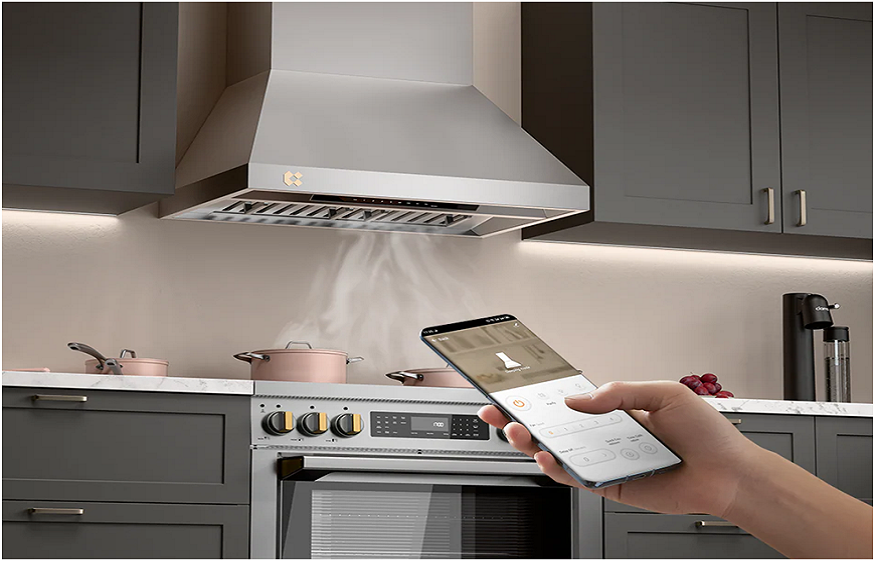
A modern kitchen is not just about stylish cabinets, smart appliances, or beautiful countertops. One essential appliance that often goes unnoticed—but plays a critical role in maintaining a clean and healthy cooking space—is the range hood. Whether you cook daily or only occasionally, a range hood helps remove smoke, grease, odors, and heat from your kitchen, making the environment more comfortable and hygienic.
In this comprehensive guide, we will explore what a range hood is, how it works, its types, benefits, and tips for choosing the right one for your kitchen.
What Is a Range Hood?
A range hood is a ventilation appliance installed above a stove or cooktop. Its primary function is to capture airborne grease, combustion products, smoke, steam, and cooking odors. The device typically contains a fan or blower that draws in contaminated air and either filters and recirculates it back into the kitchen or vents it outside.
Read More: The One Detail Designers Say Can Make or Break a Kitchen Refresh
Range hoods are a crucial component in modern kitchens because they significantly improve air quality while cooking. Without proper ventilation, grease and smoke can accumulate on kitchen surfaces, leading to unpleasant smells and unhealthy indoor air.
How a Range Hood Works
The basic working principle of a range hood is simple but highly effective. When you cook, the hood’s fan pulls air upward through a filtration system. This process captures grease particles, smoke, and other airborne contaminants before they spread throughout the kitchen.
Most range hoods use one of two ventilation methods:
- Ducted Ventilation
In ducted systems, the hood channels air through ducts that lead outside the house. This method completely removes smoke, odors, and heat from the kitchen. - Ductless Ventilation
Ductless hoods use charcoal or carbon filters to clean the air before recirculating it back into the kitchen. These are easier to install but may require frequent filter replacement.
Both systems have advantages depending on your kitchen layout and ventilation possibilities.
Read More: Avoiding Common Mistakes in High-End Home Construction
Benefits of Installing a Range Hood
Many homeowners underestimate how valuable a range hood can be. Here are some of the most important benefits.
Improved Air Quality
Cooking releases particles such as grease, smoke, and chemicals into the air. A range hood removes these pollutants, keeping the air fresh and healthier for your family.
Odor Removal
Strong cooking smells—especially from frying, spices, or seafood—can linger in the kitchen for hours. A range hood quickly eliminates these odors, keeping your home smelling pleasant.
Grease Control
Grease particles can settle on cabinets, walls, and ceilings. Over time, this buildup becomes sticky and difficult to clean. A range hood captures grease before it spreads.
Heat Reduction
Cooking generates heat, which can make your kitchen uncomfortable. A range hood helps remove hot air and steam, keeping the cooking area cooler.
Better Visibility
Many range hoods come with built-in LED lights that illuminate the cooking surface, making it easier to monitor food while cooking.
Types of Range Hoods
Choosing the right range hood depends on your kitchen design and cooking habits. Below are the most common types available today.
Wall-Mounted Range Hoods
Wall-mounted hoods are installed directly against the wall above the stove. They are one of the most popular choices because they are powerful and stylish.
Under-Cabinet Range Hoods
These hoods are mounted underneath kitchen cabinets. They are ideal for smaller kitchens where space is limited.
Island Range Hoods
Island range hoods are designed for kitchens with cooktops placed on an island. They hang from the ceiling and often feature elegant designs that enhance the kitchen’s aesthetics.
Downdraft Range Hoods
Downdraft systems pull air downward through vents located behind or beside the cooktop. They are a good option when overhead installation is not possible.
Key Features to Consider
When purchasing a range hood, several factors should be considered to ensure you choose the best option.
Ventilation Power (CFM)
CFM stands for cubic feet per minute and measures how much air the hood can move. Higher CFM ratings mean stronger ventilation. For heavy cooking, a higher CFM range hood is recommended.
Noise Level
Some range hoods can be quite loud when operating at high speeds. Look for models designed with noise reduction technology if quiet operation is important to you.
Filter Type
Range hoods use different types of filters, including:
- Mesh filters for capturing grease
- Baffle filters are commonly used in professional-style kitchens
- Charcoal filters for ductless systems
Each type has its own maintenance requirements.
Lighting
Modern range hoods often include LED lighting to brighten the cooking area. Good lighting improves visibility and enhances the kitchen’s overall atmosphere.
Maintenance and Cleaning Tips
Regular maintenance ensures that your range hood operates efficiently and lasts longer.
Clean the filters regularly. Grease filters should be washed every few weeks, depending on cooking frequency.
Check the fan and motor. Make sure they are free from grease buildup to maintain strong airflow.
Replace charcoal filters when needed. In ductless models, charcoal filters lose effectiveness over time and must be replaced periodically.
Wipe the exterior surface. Stainless steel hoods should be cleaned with appropriate cleaners to maintain their shine.
Proper maintenance not only improves performance but also extends the lifespan of the appliance.
Integrating Modern Kitchen Appliances
Today’s kitchens are evolving with smarter appliances designed to enhance convenience and efficiency. While ventilation systems like a range hood play a crucial role in maintaining air quality, combining them with innovative cooking devices can further improve the cooking experience. For instance, appliances such as the Ciarra Nosh Oven bring advanced cooking technology to modern homes, offering precision cooking and energy-efficient performance that complements a well-ventilated kitchen setup.
Energy Efficiency and Smart Features
Many modern range hoods now include energy-efficient technologies and smart features. Some models automatically adjust fan speed based on cooking intensity, while others connect to smart home systems for remote control.
Energy-efficient motors and LED lighting help reduce electricity consumption while maintaining excellent performance. These features make modern range hoods both environmentally friendly and cost-effective.
Choosing the Right Range Hood for Your Kitchen
Selecting the perfect range hood involves balancing functionality, style, and installation requirements. Consider the following tips:
- Match the hood width with your cooktop size.
- Choose a design that complements your kitchen décor.
- Ensure adequate ventilation power for your cooking style.
- Decide between ducted and ductless systems based on your home layout.
Taking time to evaluate these factors will help you invest in a range hood that delivers long-term satisfaction.
Conclusion
A range hood is more than just a kitchen accessory—it is an essential appliance that improves air quality, enhances comfort, and keeps your kitchen cleaner. Removing smoke, grease, and odors, it creates a healthier and more enjoyable cooking environment.
With a wide variety of styles, features, and technologies available, homeowners can easily find a range hood that suits their kitchen design and cooking needs. Whether you prefer a sleek wall-mounted model or a compact under-cabinet option, investing in a high-quality range hood will significantly elevate your overall kitchen experience.