
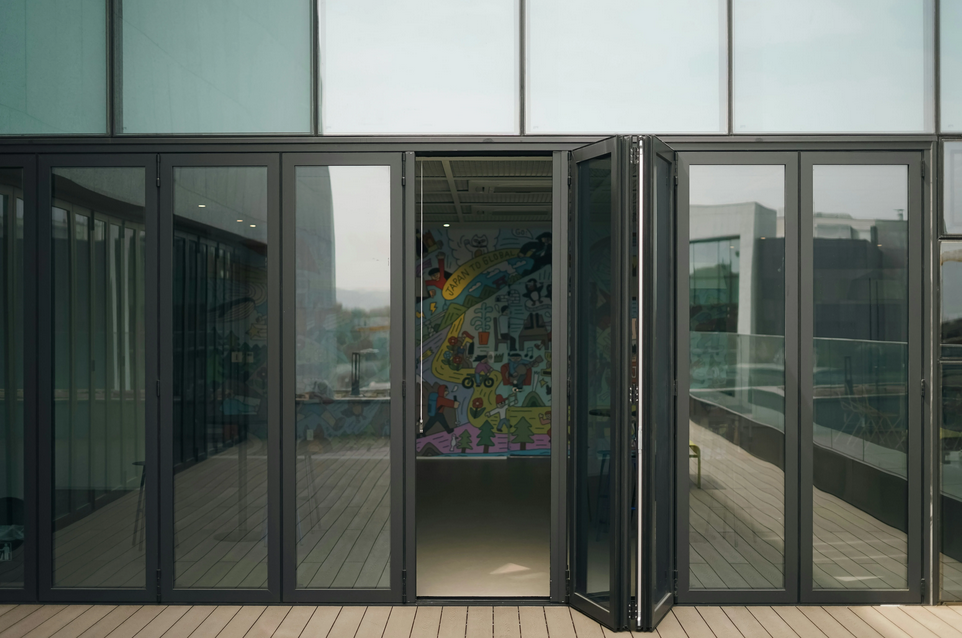
If you’ve spent any time house-hunting or renovating lately, you’ve probably noticed how often aluminium shows up in door and window specs. It’s not a passing trend — aluminium doors have earned their spot in modern homes because they hold up well, need almost no upkeep, and still manage to look sharp doing it.
Choosing the right type of aluminium door isn’t just about appearance, though. Sleek sliding panels, elegant French doors, a no-nonsense aluminium door for the bathroom — the same base material adapts to almost any room once you factor in size, ventilation, privacy, and security needs.
This guide walks through the main types worth knowing about, plus what actually matters when picking one.
Why Aluminium Works So Well for Modern Homes
Aluminium is light but surprisingly strong, which lets manufacturers keep frames thin without sacrificing stability. That translates directly into bigger glass panels and cleaner sightlines — the look most contemporary homes are going for.
A few reasons it keeps winning over other materials:
- It holds up. Doesn’t warp or swell the way wood-based materials can when exposed to moisture or heat.
- Barely any maintenance. A wipe-down and the occasional hardware check is usually enough.
- Looks the part. Slim profiles suit minimalist and contemporary builds without effort.
- Comes in different sizes, configurations, colours, and finishes.
- Lets light in. Frames can take large glass panels, so rooms feel brighter.
- Goes everywhere. Bedrooms, balconies, bathrooms, kitchens, patios — same material, different jobs.
- Worth factoring in if material efficiency matters to your project.
Exploring Every Type of Aluminium Door
Before settling on a design, it helps to know what’s actually out there. Below are the styles that come up most often in modern residential projects — each suited to a different kind of space.
1. Aluminium Sliding Doors
Sliding doors are probably the most common aluminium system you’ll see in newer homes, and for good reason — they move horizontally along a track instead of swinging into the room, which saves floor space you’d otherwise lose to door clearance.
A sliding door for home setup makes particular sense where space is tight — think living rooms opening onto balconies, patios, or small gardens. Pair a large glass panel with a slim frame, and you get a genuinely open feel between indoor and outdoor areas. Depending on the opening width, you might go with two panels or stack several together.
What you get with sliding doors:
- Saves interior floor space
- Wide openings without swing clearance
- Plenty of natural light
- Clean, contemporary look
- Works well for balconies and patios
- Flexible glass options
For apartments especially, sliding doors tend to hit that sweet spot between function and looks.
2. Aluminium Hinged Doors
Hinged doors are the familiar option — nothing fancy about how they operate, which is exactly why they remain so versatile. You can go single or double panel depending on the opening.
A hinged door for home use covers bedrooms, kitchens, utility rooms, balconies, entrances — basically anywhere. Customisation is straightforward too: solid panels for more privacy, glass inserts if you want more light and a decorative touch.
If you want something that works equally well in a traditional or modern interior without overthinking it, hinged doors are hard to beat — and among every type of aluminium door, this remains the most commonly installed.
3. Aluminium French Doors
French doors bring a bit of symmetry and elegance that other styles don’t quite match. With two panels, usually opening outward, they instantly make a living room, balcony entrance, or dining area feel more spacious.
The glass lets light flood through while the aluminium frame keeps a clean structural line around it. If you like the idea of classic styling but want the performance benefits of a modern material, French doors are worth a serious look — and they take well to different glass patterns and finishes.
4. Aluminium Folding Doors
Folding (or bi-fold) doors use multiple panels that stack to one or both sides when opened. The payoff is a much wider opening than you’d get from almost any other door type.
These are the go-to for homes chasing that strong indoor-outdoor connection — living rooms opening onto gardens, terraces, wide patios. Closed, you still get full visibility and daylight through the glass; opened, the boundary between inside and outside practically disappears. It’s a favourite for open-plan homes built around large glazed openings.
5. Aluminium Pivot Doors
Pivot doors work differently — they rotate on pivot hardware rather than conventional hinges, which lets you go bigger and wider than a standard swing door would allow.
At an entrance, a pivot aluminium door instantly becomes a feature rather than just an opening. Depending on how it’s built, you can mix in glass, solid aluminium panels, or other decorative materials. If you’re after a genuine modern door design for a home entrance, this is one of the few styles that makes a real visual statement.
6. Aluminium Louvered Doors
Louvered doors use horizontal or angled slats to let air move through while still offering some screening. They’re a practical choice for utility spaces, service areas, and certain bathroom setups where ventilation matters more than a fully solid door.
Basically, if you need airflow without leaving a door wide open, louvered aluminium is the sensible middle ground.
7. Aluminium Bathroom Doors
Bathrooms are tough on doors — constant humidity, water exposure, and frequent use. An aluminium door for a bathroom handles this better than most wood-based alternatives simply because it doesn’t swell or warp when it gets wet repeatedly.
A bathroom aluminium door usually comes with opaque or frosted glass, or solid panels, depending on how much privacy the space needs.
What actually matters when choosing one:
- How much privacy the room needs
- Ventilation
- Water exposure over time
- Door size relative to the space
- Hardware quality
- Whether the glass is safety-rated
- How easy it is to clean
- Whether it fits the bathroom’s overall look
Small bathroom? A sliding configuration usually saves you the most space.
8. Aluminium Glass Doors
These combine an aluminium frame with glass panels for a bright, open feel — commonly used in living rooms, balconies, home offices, patios, and as room dividers.
Glass choice does a lot of the work here. Clear glass gives you maximum visibility; frosted or textured glass dials up the privacy without losing the light. Tinted or decorative glass is worth considering too if it fits the rest of the interior.
9. Aluminium Mesh Doors
When ventilation and insect protection matter more than anything else, mesh doors are the practical answer. Air moves freely while the mesh keeps bugs out — genuinely useful for balconies, kitchens, utility rooms, and secondary entrances.
A lot of homes pair a mesh door with a primary aluminium door for a two-layer setup — solid protection when you need it, ventilation when you don’t.
10. Aluminium Panel Doors
Panel doors skip the full-glass look in favour of something more solid, though you can still mix in glass sections for visual interest. They suit main entrances, bedrooms, and service areas — anywhere privacy matters more than transparency.
With the right finish and hardware, a panel door can anchor an entire aluminium door design for the home without feeling out of place next to more glazed openings elsewhere in the house.
How to Actually Choose the Right Type of Aluminium Door
Picking a door style shouldn’t come down to looks alone. A few things worth working through first:
Where’s it going? A balcony probably wants sliding or folding; a bathroom needs something privacy-focused, likely hinged or sliding.
How much space do you have? Sliding doors make sense when swing clearance is limited. Hinged doors need room to open fully.
How important is natural light? If yes, go bigger on the glass and slimmer on the frame — less visual obstruction, more daylight.
What about privacy? Bathrooms and bedrooms typically need more of it than living rooms or balconies. Frosted, textured, or opaque glass covers this without blocking light entirely.
Don’t skip the hardware. Handles, hinges, rollers, locks — these decide how the door actually feels to use day to day. Match them to the door’s weight and how often it’ll be opened.
Check the raw material source. The aluminium profile itself matters as much as the design. Manufacturers who work with established, quality-graded material — names like APL Apollo, known in the broader metal and building products space — tend to produce frames that hold their shape and finish better over time.
Aluminium Door and Window Design for Modern Architecture
There’s real value in treating doors and windows as one design decision instead of two separate ones. A well-thought-out aluminium door and window design matches frame colours, finishes, and glass types across a home, creating a sense of continuity that’s hard to fake otherwise.
A home with large aluminium windows, for instance, looks a lot more put-together when the sliding doors match — same finish, same profile language, same feel from room to room. This kind of coordinated aluminium door design for the home is what usually separates a house that looks intentional from one that feels like it was pieced together room by room.
What’s Trending Right Now
A few directions keep coming up in newer builds:
- Slim-profile frames
- Oversized glass panels
- Minimal, understated hardware
- Matte, contemporary finishes
- Sliding systems over hinged where space allows
- Floor-to-ceiling glazing
- Black and neutral frame tones
- Aluminium-and-glass combinations
- Large-format entrance doors
- Seamless indoor-outdoor openings
What actually fits your home depends on the architecture you’re working with, your budget, the local climate, and how each opening will be used day to day.
Keeping Aluminium Doors in Good Shape
The maintenance side is genuinely low-effort. Wipe frames down periodically with a mild cleaning solution and a soft cloth. Keep tracks clear of dust and debris, especially on sliding and folding systems — that’s usually where problems start.
Read More: From Home Emergencies to Construction Sites: Why Industrial Waterproof Power Stations Are Essential
Check the hardware now and then too. If a roller, hinge, handle, or lock starts feeling stiff, get it looked at rather than forcing it — that’s how small issues turn into bigger ones. Clean glass panels per the manufacturer’s guidance, and make sure drainage or ventilation gaps stay clear. Doors built from well-sourced material — the kind associated with established suppliers like APL Apollo — generally need less corrective maintenance over the years simply because the base profile was solid to begin with.
Picking a Manufacturer in Uttar Pradesh
If you’re comparing Aluminium windows and doors manufacturers in Uttar Pradesh, don’t stop at how the product photos look. Manufacturing quality, profile specs, hardware options, glass choices, installation practices, and after-sales support all deserve equal attention.
Worth comparing side by side:
- What door systems they actually offer
- Profile specifications
- Glass choices available
- Hardware options
- How much customisation they’ll do
- Whether installation is included or separate
- Warranty terms
- Past project experience
- Ongoing maintenance support
- The full quotation, not just the headline number
A bit of upfront comparison here saves a lot of frustration later.
Bottom Line
There’s no single best type of aluminium door — it really depends on the room. Sliding doors save space, folding systems open things up wide, hinged doors handle everyday practicality without fuss, French doors add symmetry, and pivot doors make a statement at the entrance.
For bathrooms, privacy and moisture resistance should lead the decision. For balconies and patios, larger glazed sliding or folding systems usually make the most sense.
Read More: Smart Ways to Lower Your Moving Costs
Weigh up the location, available space, ventilation, privacy needs, glass type, hardware, and installation quality together — and check where the manufacturer actually sources their aluminium from — and you’ll land on a door that actually works for the room, not just one that looks good in a brochure.
Frequently Asked Question
- What is the most common type of aluminium door for homes?
Sliding and hinged doors are the most widely used. Sliding suits space-limited areas like balconies, while hinged doors work well for bedrooms, kitchens, and entrances. - Is an aluminium door good for bathrooms?
Yes. A bathroom aluminium door resists moisture, warping, and swelling far better than wood, making it a practical choice for humid, high-use spaces. - How do I choose the right aluminium door and window design for my home?
Match frame colours, finishes, and glass types across doors and windows for a consistent look. Consider room location, privacy needs, and available space before finalising the design. - How do I find reliable aluminium windows and doors manufacturers in Uttar Pradesh?
Compare profile quality, hardware, glass options, installation practices, warranty terms, and past project experience — not just the price quoted.