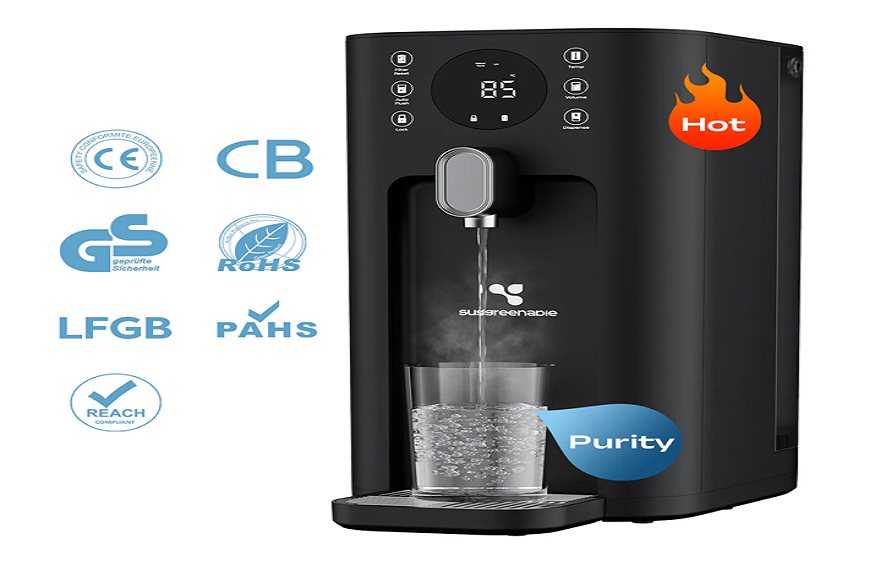
Access to clean and safe drinking water is essential for a healthy life. With increasing pollution levels and contaminants in water sources, investing in the best water purifier has become more important than ever. Whether you rely on municipal supply, groundwater, or tanker water, having an efficient purification system ensures that you and your family consume water free from harmful impurities.
In this comprehensive guide, we will explore everything you need to know about choosing the best water purifier, including types, technologies, features, and buying tips.
Why You Need a Water Purifier
Water may appear clean, but it can contain invisible contaminants such as bacteria, viruses, heavy metals, and chemicals. Drinking contaminated water can lead to various health issues, including gastrointestinal infections, kidney problems, and long-term diseases.
A good water purifier helps:
- Remove harmful microorganisms
- Eliminate dissolved impurities like arsenic and lead
- Improve taste and odor
- Provide safe drinking water for daily consumption
With increasing awareness, more households are prioritizing water purification systems to ensure better health and hygiene.
Types of Water Purifiers
When searching for the best water purifier, it’s important to understand the different types available in the market. Each type works best under specific water conditions.
-
RO (Reverse Osmosis) Purifiers
RO purifiers are widely used and highly effective in removing dissolved salts, heavy metals, and impurities. They are ideal for areas with hard water or high TDS (Total Dissolved Solids).
Read More: Exploring Artistic Expression Through Pool Tile Designs
Pros:
- Removes heavy metals and chemicals
- Improves taste significantly
Cons:
- Wastes some water during purification
- Requires electricity
-
UV (Ultraviolet) Purifiers
UV purifiers use ultraviolet light to kill bacteria and viruses. They are suitable for water that has low TDS but may contain microorganisms.
Pros:
- No change in taste
- No water wastage
Cons:
- Does not remove dissolved impurities
- Requires electricity
-
UF (Ultrafiltration) Purifiers
UF purifiers use a membrane to remove bacteria and suspended particles. They do not require electricity and are ideal for areas with low contamination.
Pros:
- Works without electricity
- Affordable
Cons:
- Cannot remove dissolved salts or chemicals
-
Gravity-Based Purifiers
These are simple purifiers that use activated carbon and sediment filters. They are suitable for areas with relatively clean water.
Read More: Essential Tips for Effective Furnace Repair: The Ultimate Guide
Pros:
- No electricity required
- Budget-friendly
Cons:
- Limited purification capability
-
Multi-Stage Purifiers
Modern purifiers combine RO, UV, and UF technologies to provide comprehensive purification. These are often considered the best water purifier options for homes with varying water quality.
Key Features to Consider
Before purchasing a water purifier, consider the following important features:
Water Quality (TDS Level)
Testing your water quality is the first step. If TDS is high (above 300 ppm), an RO purifier is recommended. For low TDS water, UV or UF systems may be sufficient.
Storage Capacity
Choose a purifier with adequate storage based on your household size. A family of 4–6 members typically requires a tank capacity of 6–10 liters.
Purification Speed
Check how quickly the purifier can produce clean water. Faster purification is important in large households.
Maintenance Cost
Regular maintenance, including filter replacement, is necessary. Opt for a purifier with easily available and affordable spare parts.
Energy Consumption
Energy-efficient models help reduce electricity bills while ensuring consistent performance.
Benefits of Using the Best Water Purifier
Investing in a high-quality water purifier offers several benefits beyond just clean water.
Improved Health
By removing bacteria, viruses, and harmful chemicals, water purifiers reduce the risk of waterborne diseases.
Better Taste and Odor
Purifiers eliminate unpleasant smells and tastes caused by chlorine and other contaminants.
Cost Savings
While bottled water may seem convenient, it is expensive in the long run. A water purifier is a one-time investment with long-term savings.
Environmental Impact
Using a purifier reduces plastic waste from bottled water, making it an eco-friendly choice.
Common Mistakes to Avoid
Many people make mistakes when selecting a water purifier. Avoid these pitfalls:
- Buying without testing water quality
- Choosing based only on price
- Ignoring maintenance costs
- Selecting oversized or undersized storage capacity
Making an informed decision ensures that you get the best value for your money.
Tips for Maintaining Your Water Purifier
To ensure optimal performance, regular maintenance is crucial.
- Replace filters on time
- Clean the storage tank periodically
- Schedule professional servicing annually
- Avoid using the purifier for non-recommended water sources
Proper maintenance not only extends the life of the purifier but also ensures consistent water quality.
Choosing the Right Brand
The market is filled with various brands offering water purifiers with different features and price ranges. Look for brands that provide:
- Good customer support
- Warranty and service options
- Certified purification technologies
While exploring modern kitchen appliances and smart home solutions, some innovative brands like Ciarra One are also gaining attention for combining functionality with sleek design, reflecting how technology is transforming everyday essentials.
How to Decide the Best Water Purifier for Your Home
Selecting the best water purifier depends on your specific needs. Here’s a quick guide:
- For high TDS water: Choose RO or RO+UV systems
- For low TDS but microbial contamination: UV or UF purifiers
- For areas with frequent power cuts: Gravity-based or UF purifiers
- For complete protection: Multi-stage purification systems
Understanding your water source and requirements will help you make the right choice.
Future of Water Purification
With advancements in technology, water purifiers are becoming smarter and more efficient. Features like real-time water quality monitoring, IoT connectivity, and app-based controls are becoming increasingly common.
In the future, we can expect:
- Zero water wastage RO systems
- AI-based purification adjustments
- More eco-friendly filtration technologies
These innovations will further enhance the convenience and effectiveness of water purification systems.
Conclusion
Choosing the best water purifier is not just about convenience—it’s about safeguarding your health and well-being. With various types of purifiers available, understanding your water quality and household needs is essential for making the right decision.
From RO and UV systems to advanced multi-stage purifiers, each option has its own advantages. By considering factors such as TDS level, storage capacity, maintenance, and budget, you can find a purifier that perfectly suits your home.
Clean drinking water is a necessity, not a luxury. Investing in a reliable water purifier today ensures a healthier and safer tomorrow for you and your family.