
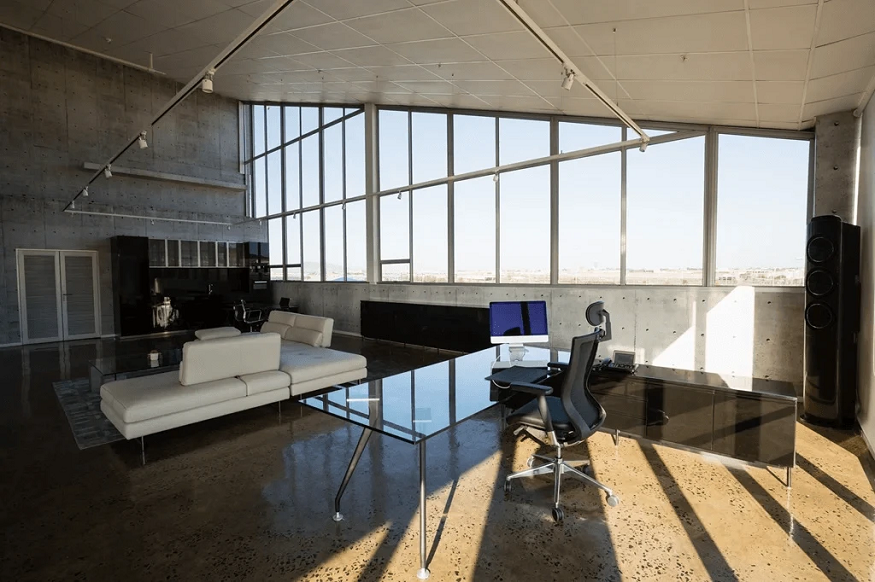
Built environments are more than just spaces for working, shopping or moving through. They are systems that need to operate efficiently, but also settings that influence how people feel. Striking the right balance between function and aesthetics has become a central challenge for designers, architects and businesses alike.
Every detail in a built environment can either support or disrupt the experience of the people using it. Whether it is a hospital, a corporate office, a transport hub or a high street shop, the environment must work well while also looking and feeling right. This intersection of practicality and design is where decisions become more strategic.
Why Function Comes First, But Cannot Stand Alone
A well-functioning space allows people to do what they need to do without friction. That might mean moving goods efficiently in a warehouse, helping patients navigate a clinic or enabling collaboration in a creative office. Good function starts with understanding how the space will be used and by whom.
However, focusing purely on function can lead to sterile, impersonal or even confusing spaces. A warehouse that is efficient but noisy and poorly lit can affect staff morale. An office with the latest tools but no comfort may leave employees disengaged. A building that is easy to navigate but visually dull may feel forgettable or even unpleasant.
That is why aesthetics matter. They bring character, tone and emotion into the equation. They help define how a space feels, not just how it works.
The Emotional Role of Aesthetics
People respond to beauty, even in practical settings. A thoughtfully designed environment can make people feel welcomed, energised or reassured. Colour, texture, light and scale all contribute to this. A well-lit corridor feels safer. A waiting room with natural finishes feels more relaxing. A workspace with plants and art feels more human.
This is not about luxury. It is about perception. A place that looks cared for sends a message that the people using it are valued. A place that invites visual engagement tends to be more memorable. Aesthetic choices are also powerful brand tools. They help businesses tell a story about who they are without saying a word.
Read More: Exploring Artistic Expression Through Pool Tile Designs
Making the Two Work Together
The goal is not to choose between form and function but to blend them. That starts with understanding that neither one is the enemy of the other. Function provides the groundwork. Aesthetics build on top of it.
For example, acoustic panels serve a clear purpose in busy environments. But they can also be selected in shapes and colours that add interest to a room. Lighting must meet technical standards, but its design can support mood or identity. Flooring materials need to be durable, but they also shape how a space looks and how people move through it.
When aesthetics are integrated into functional decisions early in the process, they do not feel like afterthoughts. Instead, they become part of the system.
Clarity and Wayfinding
One of the clearest examples of the blend between aesthetics and function is wayfinding. People need to know where to go, especially in complex or unfamiliar spaces. This is a functional challenge. But the tools used to meet that need can also support the look and feel of a space.
Typography, symbols and layout decisions can be crafted with visual sensitivity. Good signage is part of the overall environment. It helps people move without stress while still reflecting the tone and brand of the space. Whether it is directional signs in a hospital or retail floor markers, well-executed signage bridges the gap between usability and visual design.
Materials and Maintenance
The choice of materials affects both how a space looks and how it wears over time. Glass, concrete, wood, metal and textiles all have different visual effects. But they also respond differently to wear, cleaning and repairs.
A space that looks beautiful on opening day but is hard to maintain can quickly lose both function and appeal. On the other hand, a practical space that resists wear but is visually cold can feel lifeless. Finding the balance requires choosing materials that serve both roles. They should be easy to care for but also support the desired atmosphere.
This consideration is especially important in high-traffic areas like transport centres, universities and shopping centres. Durability cannot come at the cost of experience.
Read More: Earth-Born Tile Systems for Rustic and Classic Interior Design
Flexibility and Long-Term Thinking
One way to balance function and aesthetics is through flexible design. Modular systems, movable partitions and adaptable lighting allow spaces to evolve without full renovations. This flexibility supports changing business needs and keeps the environment visually fresh.
Long-term thinking also helps prevent design fatigue. Spaces that are too trend-driven can feel outdated quickly. A more timeless aesthetic grounded in clear functional logic is often more sustainable. It stays relevant and easy to adapt over time.
Sustainable choices also bring environmental function into the picture. Materials with low environmental impact, energy-efficient lighting and layouts that support natural airflow contribute to both usability and ethical practice.
The Role of Stakeholders
Balancing these elements is not the job of one person. It involves input from architects, engineers, designers, facility managers and end users. Each brings a perspective on what the space needs to do and how it should feel.
Involving stakeholders early ensures that technical needs do not override human ones and that visual goals do not conflict with safety or accessibility. When collaboration is part of the design process, the result is more likely to serve both form and function well.
Context Is Everything
No single design rule applies everywhere. What works in a bank may not work in a museum. What feels right in a healthcare setting may feel wrong in a fashion showroom. Context defines which functions are essential and what aesthetic choices make sense.
Understanding the surrounding culture, climate, building type and user expectations is key. Aesthetic appeal in one setting may be disruptive in another. Similarly, a layout that works in one industry may be impractical in another. Context helps designers make informed decisions about where compromise is needed and where innovation can thrive.
For wider commercial, hospitality, or public-facing projects, small supporting details can make the finished space feel more complete. Composite decking can provide a durable, low-maintenance surface for terraces, entrances, outdoor seating areas, and customer-facing spaces; while hand dryers can support cleaner, more efficient washroom facilities; while traditional signage can add character, direction, and brand presence; while digital signage can share changing information, promotions, menus, or wayfinding updates clearly.
Final Thoughts
Balancing function and aesthetics is not a checklist. It is a mindset. It requires thinking holistically about what a space needs to do and how it should make people feel. It means treating performance and experience as equally important goals.
The most effective built environments do not just operate smoothly. They connect with people. They help businesses work better, make stronger impressions and leave people feeling more satisfied with their experience. In getting the balance right, businesses can create spaces that are both purposeful and powerful.