
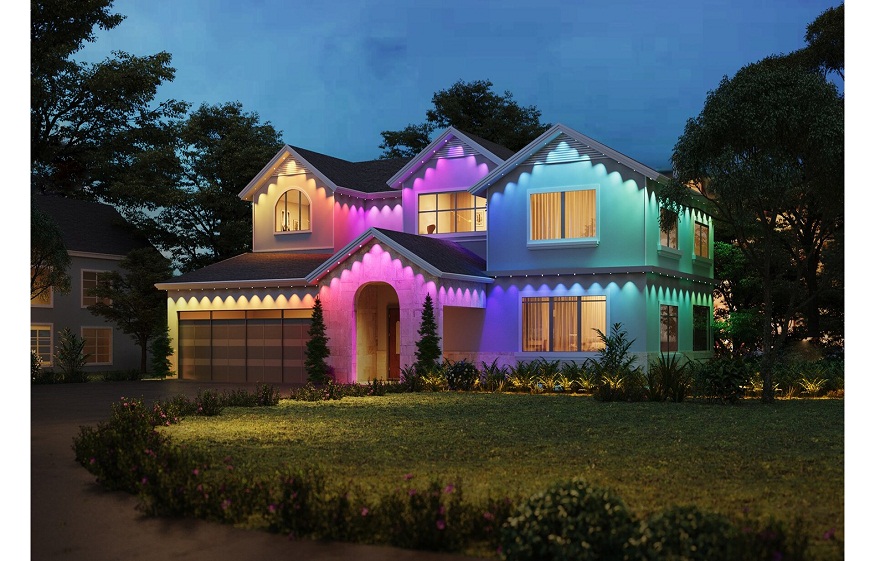
A permanent lighting system may look simple from the street, especially when the track is clean and the lights are evenly spaced. Behind that finished appearance is a group of parts working together. Each piece affects how the system looks, performs, and holds up over time.
For homeowners comparing permanent light track choices, understanding the parts can make the buying process easier. It can also help with planning, installation, expansion, and long-term care.
A complete system is more than lights on a roofline. It includes track, LEDs, wiring, connectors, power equipment, controls, mounting hardware, and layout planning.
Why System Parts Matter
Every permanent lighting system depends on the quality and placement of its components. If one part is poorly planned, the whole system may feel harder to use or less clean on the home.
Read More : Exploring Artistic Expression Through Pool Tile Designs
Good parts help create:
- Even light spacing
- Reliable power delivery
- Clean daytime appearance
- Weather-resistant performance
- Easier programming
- Safer installation
- Better long-term service access
Homeowners do not need to become electricians or installers. They should understand what each part does before choosing a system.
Main Parts Of A Permanent Lighting System
A permanent lighting system includes several core components. Some are visible along the roofline. Others are hidden in the track, behind trim, inside the garage, or near power sources.
| System Part | Main Purpose | Why Homeowners Should Care |
| Permanent Light Track | Holds and protects the lights | Creates a clean roofline finish |
| LED Lights | Produce the color and brightness | Controls the look of displays |
| Wiring | Carries power and signal | Affects reliability and neatness |
| Connectors | Link sections together | Helps with layout and service |
| Controller | Manages colors and patterns | Gives the system its features |
| Power Supply | Delivers power to the lights | Helps prevent dimming and flicker |
| Mounting Hardware | Secures track and parts | Supports long-term durability |
Understanding these parts helps homeowners ask better questions and choose a setup that fits the home.
Permanent Light Track
The track is the most visible structural part of the system. It holds the lights in place and helps create a neat, finished look along the roofline.
Permanent Light Track can be placed along fascia, soffits, trim, or other roofline surfaces. The exact placement depends on the home’s architecture and the desired lighting effect.
What To Look For In Track
- Low-profile design
- Strong material
- Clean finish
- Color choices that match the home
- Proper spacing for lights
- Secure mounting points
- Neat corner and transition handling
Track quality affects both daytime appearance and nighttime consistency.
Track Compatibility Examples
Some track systems are designed around specific permanent outdoor light brands, so homeowners should confirm compatibility before buying. For example, aluminum track for Govee Permanent Outdoor Lights can be made to fit, helping create a clean, straight roofline finish. Homeowners using ASAHOM Permanent Outdoor Lights may want a powder-coated aluminum channel that secures the lights while helping hide visible wires. For Eufy Permanent Outdoor Lights, a track designed can give the installation a more finished daytime appearance while keeping the lights evenly aligned.
LED Lights
The lights are the part most people notice first. They create holiday colors, warm white accent lighting, custom patterns, seasonal scenes, and special event displays.
Permanent systems often use LED lights because they are bright, energy-conscious, and capable of many color settings. The spacing and position of each light affect how the home looks after dark.
LED Planning Details
- Light spacing along the roofline
- Brightness level
- Color range
- Warm white quality
- Viewing angle
- Placement under or along the edge
- Consistency across roofline sections
Even spacing is especially important. Uneven lights can make a home look unfinished, even with a strong controller and quality track.
Wiring And Cable Runs
Wiring carries power and data between system sections. Clean wire planning is one of the biggest differences between a polished installation and a messy one.
Wires should be routed in a way that protects the system and reduces visible clutter. This may involve using attic access, garage entry points, soffit areas, trim lines, or other concealed paths.
Wiring Questions To Ask
- How will power reach each roofline section?
- Which wires will be visible from the ground?
- Can wires be hidden near trim or inside covered areas?
- Are wire runs protected from weather and movement?
- Are connection points accessible for service?
Neat wiring supports both reliability and curb appeal.
Connectors And Jumpers
Connectors join different sections of the lighting system. Jumpers may be used to span gaps between roofline areas, such as corners, dormers, or separate peaks.
These pieces are small, yet they matter. Poor connector placement can create awkward visual breaks or service headaches later.
Common Uses For Connectors
- Linking track sections
- Moving around corners
- Connecting separate roofline areas
- Bridging gaps near architectural features
- Supporting future system expansion
A clean layout should account for connectors before the installation begins.
Controller
The controller is the brain of the permanent lighting system. It tells the lights what colors, patterns, schedules, and effects to show.
Depending on the system, the controller may be managed through an app, remote, or connected device. Some systems allow custom scenes for holidays, game days, birthdays, outdoor gatherings, and everyday accent lighting.
Controller Features To Review
- App control
- Scheduling
- Color presets
- Custom patterns
- Brightness control
- Zone control
- Timer settings
- Ease of use
The controller should feel simple enough for regular use. A powerful system loses value if homeowners find it confusing.
Power Supply
The power supply delivers the electricity needed to run the lights. It must be planned correctly so the system has steady brightness across the full roofline.
Long runs, many lights, or complex layouts may need careful power planning. Without enough power, lights may dim, flicker, or behave unevenly.
Power Planning Matters For
- Long roofline runs
- Multiple levels
- Large homes
- Bright color scenes
- White light displays
- Future expansion
- Reliable daily use
The power setup should match the size of the lighting layout, not only the first section being installed.
Mounting Hardware
Mounting hardware secures the track and related components to the home. It may include screws, clips, brackets, fasteners, or other system-specific pieces.
Hardware should be chosen for the mounting surface and local weather conditions. A secure system needs to stay in place through wind, rain, heat, cold, and seasonal changes.
Good Hardware Should Be
- Strong
- Weather resistant
- Proper for the mounting surface
- Installed at consistent intervals
- Placed without damaging key exterior areas
- Compatible with the track system
Hardware may not be exciting, but it protects the investment.
Planning A Complete System
A strong permanent lighting system starts with a full layout plan. That includes measuring rooflines, marking power sources, locating controller placement, choosing track color, and thinking through future expansion.
Homeowner Planning Checklist
- Measure all roofline sections
- Mark peaks, corners, and returns
- Identify power access points
- Choose track color
- Review light spacing
- Plan wire paths
- Decide on controller location
- Consider future additions
- Confirm mounting surfaces
Read More : Understanding Ballistic Panels: Essential Insights for Enhanced Safety and Security
A complete plan helps prevent missing parts, awkward transitions, and added work later.
Final Thoughts
Permanent lighting systems are easier to understand when each part has a clear purpose. The track creates the clean roofline finish. The lights create the look. Wiring, connectors, power supplies, controllers, and hardware keep everything working together.
For homeowners, learning these parts can make the project feel less overwhelming. It also makes it easier to choose a system that looks clean, performs well, and supports year-round lighting.
A permanent lighting system should feel planned from the first track section to the final light scene.